Marginal flaring

  • Thread starter NoScutesAboutIt
  • Start date
Status
Not open for further replies.
N

NoScutesAboutIt

Guest
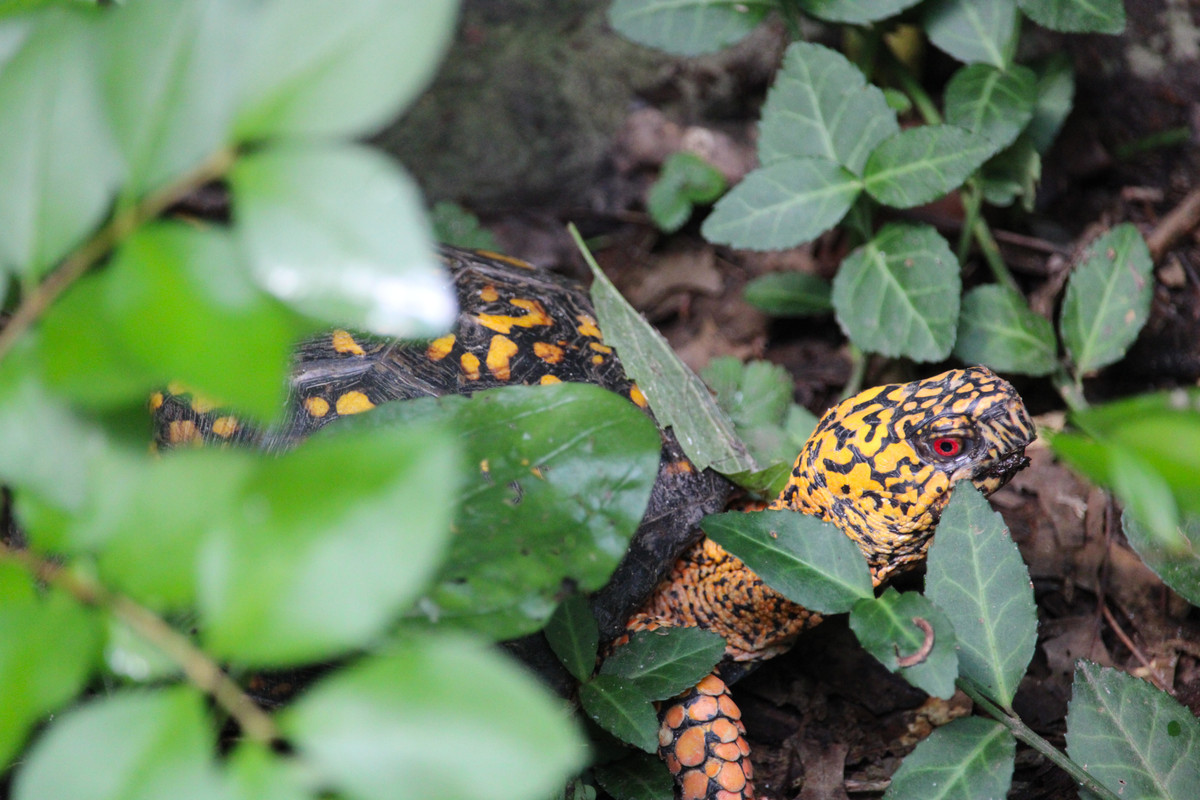
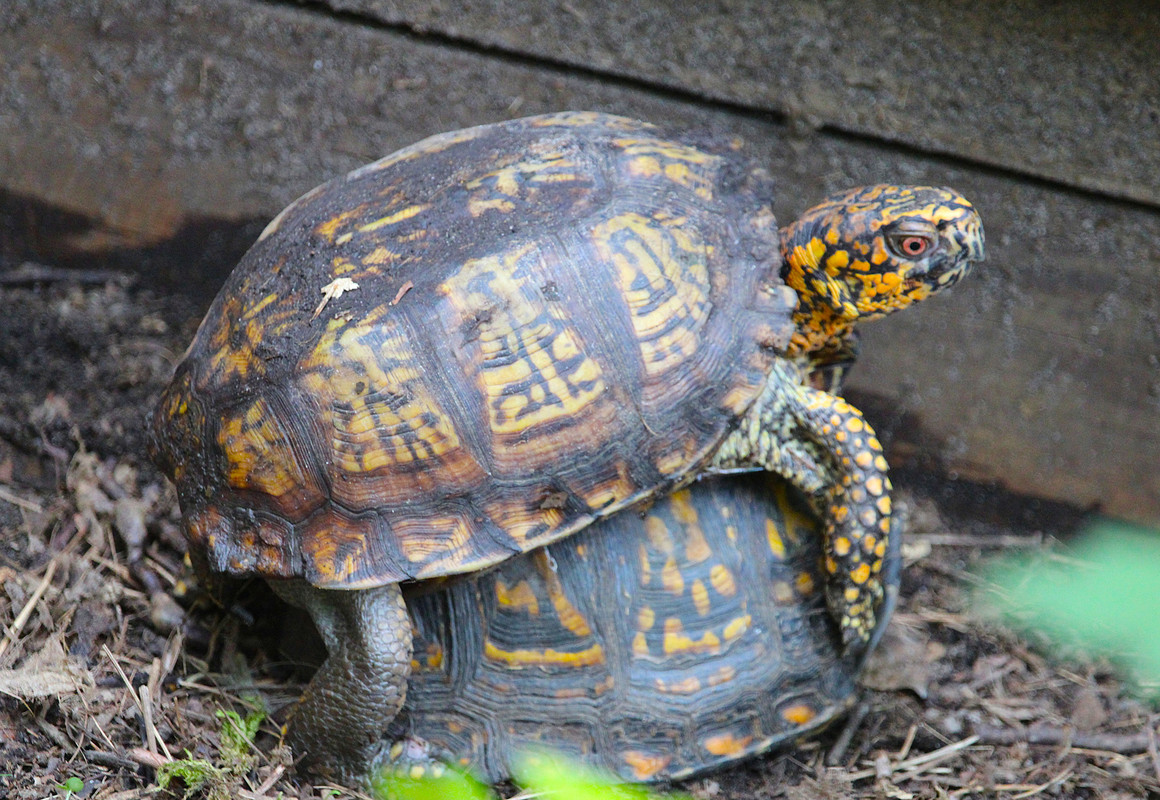
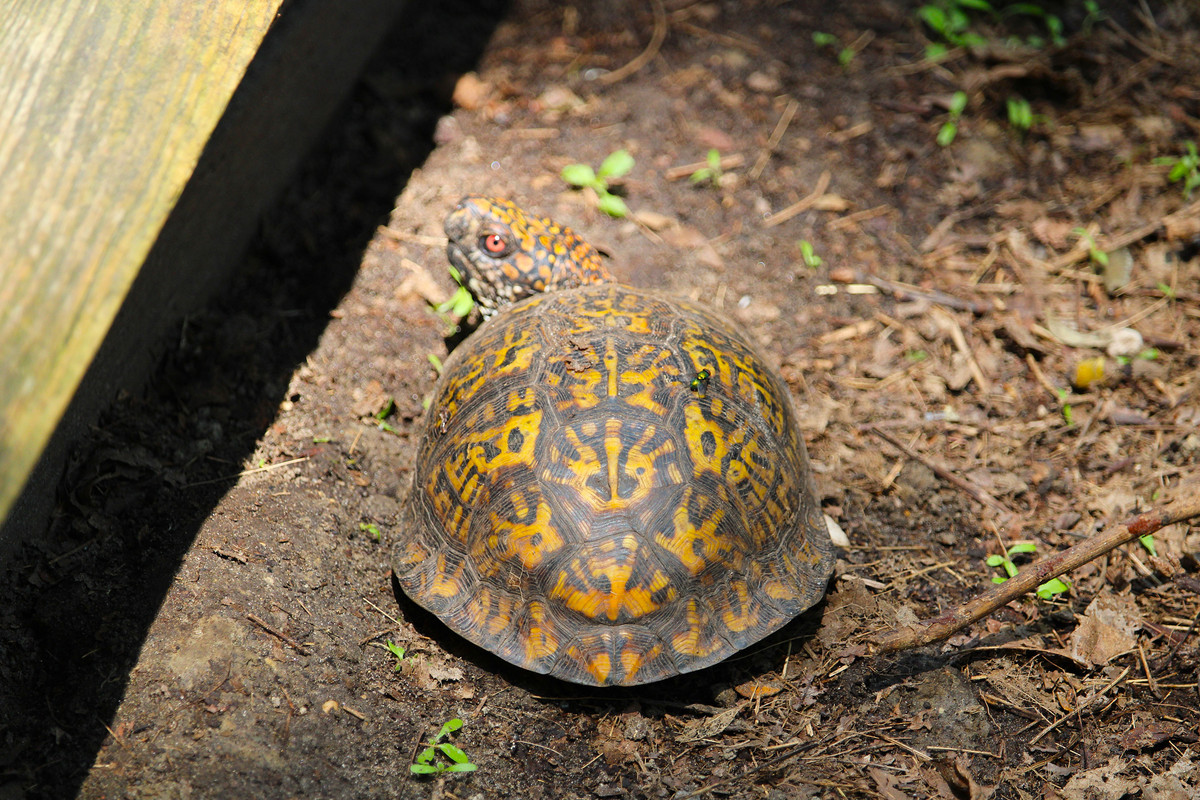
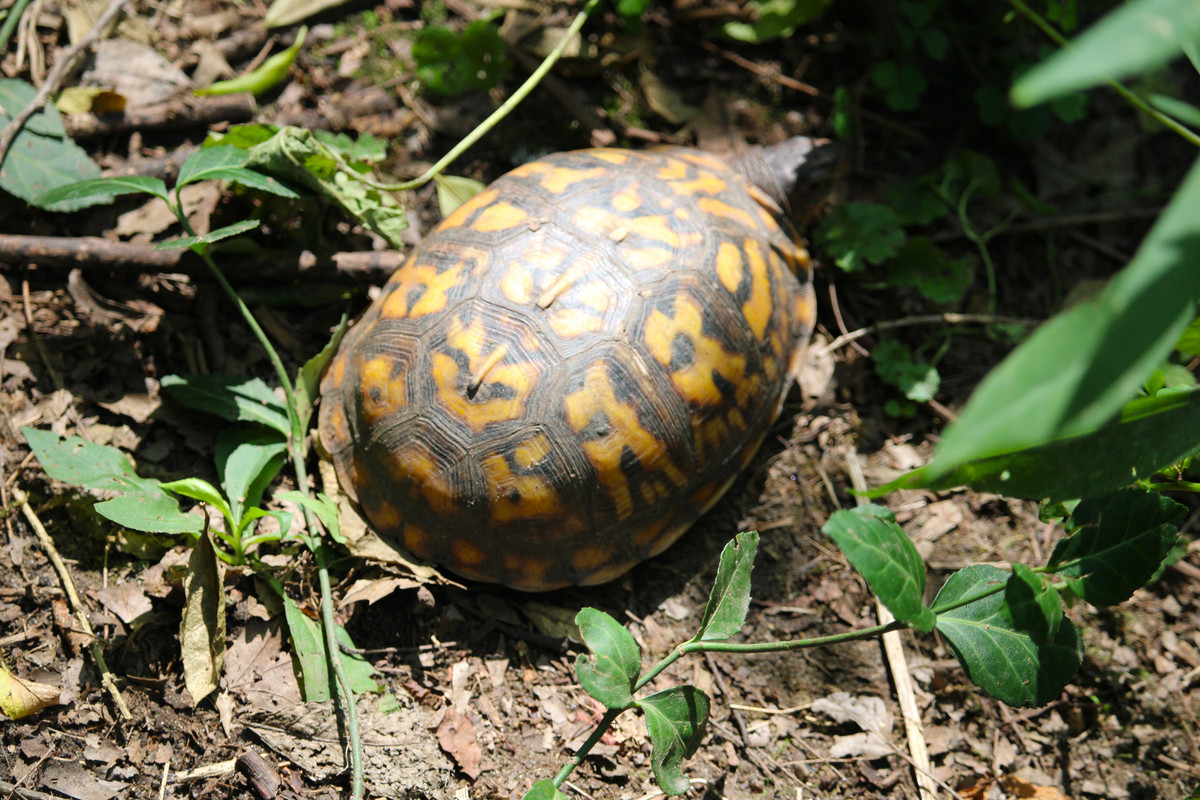
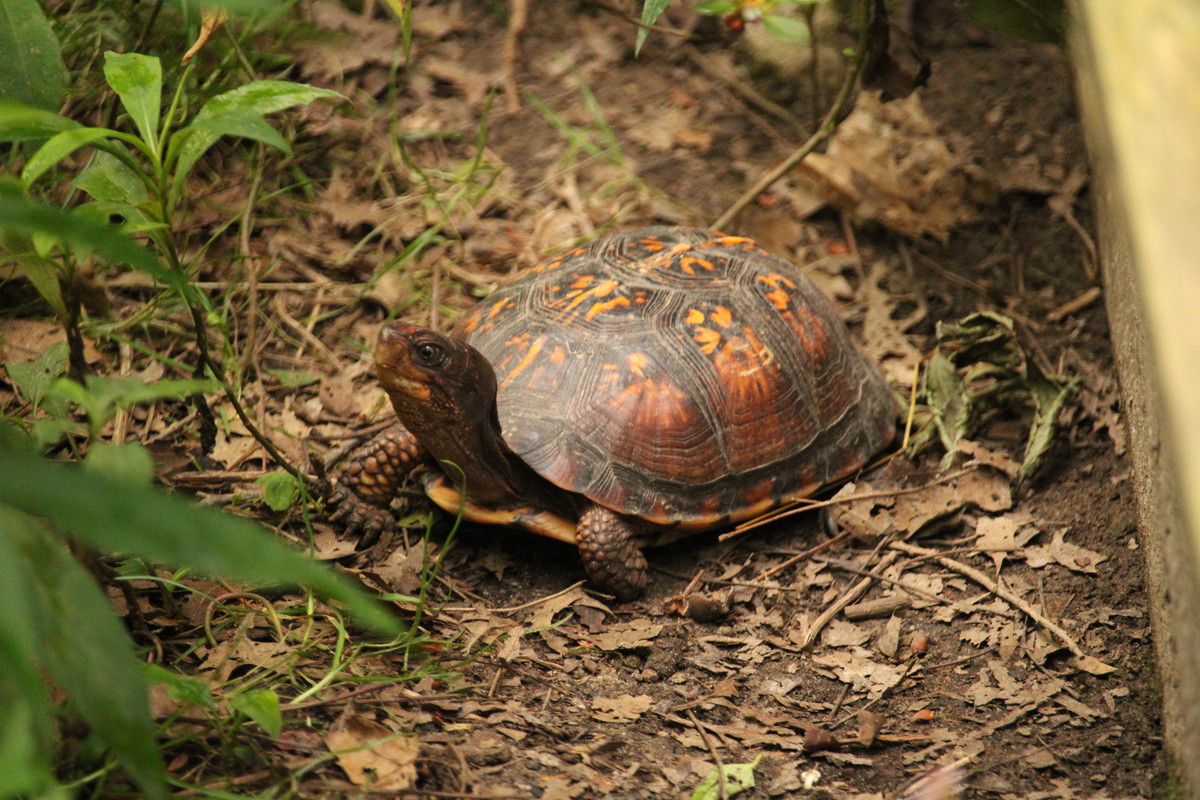
Even at this turtle's young age you can see what will be nice development in front and back marginal flaring.

-Now, in the past I've always likened/figured that that was just a sign of healthy shell growth, within a certain environment/habitat situation.
I've also heard people say, "no," that's not it, but that it's actually a genetic trait. (I never really believed that to be true, wasn't too sure.)

Only more recently am I starting to wonder if it is indeed actually more the case.

--Does anyone here have any thoughts/experience/knowledge on this?
 

Attachments

  • IMG_6179 - Edited.jpg
    IMG_6179 - Edited.jpg
    476.5 KB · Views: 7

mark1

Well-Known Member
10 Year Member!
Joined
Dec 31, 2015
Messages
2,381
Location (City and/or State)
ohio
i believe it may be a male/female thing..... males shells are shaped different than female shells, adult males tend to always have that flaring ...
 
  • Like
Reactions: Ink

Ink

Well-Known Member
Tortoise Club
5 Year Member
Platinum Tortoise Club
Joined
Jun 10, 2016
Messages
3,603
Location (City and/or State)
Virginia
Beautiful turtle.
 
N

NoScutesAboutIt

Guest
i believe it may be a male/female thing..... males shells are shaped different than female shells, adult males tend to always have that flaring ...
Okay, cool. So you are at least somewhat familiar.
You're pretty right on, as you know.

But not always..

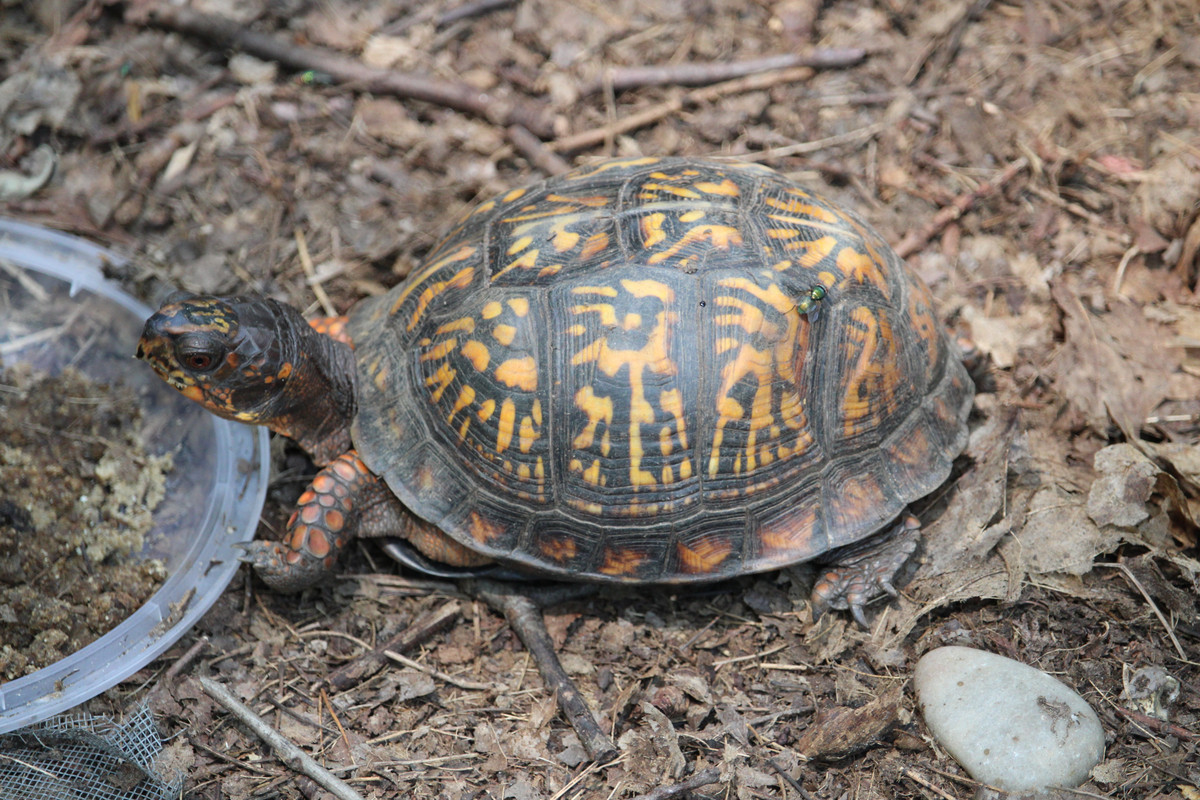
It's not so uncommon for me to come across females with this as well.
The more I see, the more I start leaning towards it being a recessive/dominate gene. I also start to see it being to the animals benefit. The somewhat sharp edges on these front and back flared scutes certainly would be an aid deterring the mouths of prodding predators.

(This picture doesn't quite show the best example)

*A wild female Eastern Box Turtle with a very broad marginal flare.
 

Attachments

  • IMG_6249 - Edited.jpg
    IMG_6249 - Edited.jpg
    454.3 KB · Views: 1

mark1

Well-Known Member
10 Year Member!
Joined
Dec 31, 2015
Messages
2,381
Location (City and/or State)
ohio
my opinion is it's like red eyes in a female box turtle...... hormonal, everything is genetic....... male traits in females occur to various degrees in every animal, including people...when i bred dogs i intentionally produced male looking bitches.... as far as deterring predators, the first thing to go are the marginals, i know that from breeding dogs also......

i'm reasonably sure the box turtles i have represent several different locations......
 
N

NoScutesAboutIt

Guest
my opinion is it's like red eyes in a female box turtle...... hormonal, everything is genetic....... male traits in females occur to various degrees in every animal, including people...when i bred dogs i intentionally produced male looking bitches.... as far as deterring predators, the first thing to go are the marginals, i know that from breeding dogs also......

i'm reasonably sure the box turtles i have represent several different locations......
Well, what I'm seeing is that it's not so much a "male trait" like we tend to see, or think of, but more of a genetic occurrence, in both male and female turtles.

As far as the marginals being "the first to go." That's exactly right. They are the marginals..
But we are talking in nature. A natural setting does not have dogs in the picture, but of smaller sized animals. Like raccoons, fox etc.
I see the longer the marginals are, the better off the animal is. (But I'm not making that a point.)

It's neat to see, and it's interesting to me.
 

mark1

Well-Known Member
10 Year Member!
Joined
Dec 31, 2015
Messages
2,381
Location (City and/or State)
ohio
do you believe red eyes are a male trait?
 
N

NoScutesAboutIt

Guest
do you believe red eyes are a male trait?
Exactly.
People tend to think of males to all have red eyes. Again, not the case. I've seen males with a few different colored eyes. The females do seem to have a wider variety in eye color, though. In my experience, anyway.
I've seen females with everything from gray, green, yellow, purple to red.
 

mark1

Well-Known Member
10 Year Member!
Joined
Dec 31, 2015
Messages
2,381
Location (City and/or State)
ohio
is this an eye color you normally find in your female ebt's? it is normal for the males i have here....... i do have a couple "red eyed" females here, just not that color red...........

IMG-3980.jpg


as far as predators raccoons aside from chewing up the thin parts of the shell are not that life threatening as long as they stay boxed up , i've had them go through my pens, killed CA wood turtles, other than leave them on there backs the box turtles were always fine, only real killers i've seen are big dogs..... safer structure in my mind would be no edges, round

IMG-3998.jpg


i'd think flared marginals like a mature male would not be a conducive to breeding???

IMG_4001.jpg


where my box turtles came from? was a long time ago, georgia, north carolina and new jersey was where they were bought.... females here, they look like females, bottom one is "red eyed" sometimes more red sometimes less, at it's most it never looks like the red a male gets......
IMG_3997.jpg


IMG-1046.jpg

IMG-3993.jpg
 
N

NoScutesAboutIt

Guest
Nice turtles. You have some nice ones there.

--As far as what I see is in the wild.
The females I'd say they tend to be more of a brownish red, but usually by no means red-red, like in certain males. As you know, it does vary on the degree of the red as well.

And as for the flaring marginal examples: There is room given for that at the point where the back marginals meet the postcentrals. So no problems there.

Predators usually tire out/ give up on the bigger turtles regardless of whatever shape the turtle's shell is.
 
Last edited by a moderator:

mark1

Well-Known Member
10 Year Member!
Joined
Dec 31, 2015
Messages
2,381
Location (City and/or State)
ohio
i'm of the opinion red eyes are a male trait, marginal flaring is a male trait, a flattened shell is a male trait, thicker curved rear claws is a male trait, indented plastron.... nothing may be 100%, short of seeing them breed or having them sexed, but imo, the extremes of all these traits are , as far as i've seen , reserved for males......

to my knowledge there has never been a shown link to testosterone, my guess is because it's not been studied , not because it's not there..... if they want to masculinize a female they use testosterone to bring about the development of secondary sex characteristics..... testosterone levels naturally vary in individual animals as it does in different sexes...... the range can be quite large within individuals, and huge between sexes......

i have male ebt's here whose eyes are electric red, flared marginals , indented plastron, elongated flattened carapace, bright heavily covered colored body and shell, those animals without fail i see breed every year..... i have adult males with reddish brown eyes , definitely more red than brown along with minimal secondary male characteristics, and i never see them breed, literally never.......

when you see a turtle that's been chewed up, regretfully i've seen quite a few, the damage won't be the carapace where the bridge is, it'll be the front and back......

as far as females with male characteristics, with my dogs, i bred many generation, of dog looking bitches, females you'd think were males... it was certainly genetic, the characteristics were imo caused by testosterone levels....... imo, it led to reproductive problems and poor mothering instincts.....how that relates to wild animals is debatable.... i think nature has a way of seeing that doesn't happen....
 
N

NoScutesAboutIt

Guest
i'm of the opinion red eyes are a male trait, marginal flaring is a male trait, a flattened shell is a male trait, thicker curved rear claws is a male trait, indented plastron.... nothing may be 100%, short of seeing them breed or having them sexed, but imo, the extremes of all these traits are , as far as i've seen , reserved for males......

to my knowledge there has never been a shown link to testosterone, my guess is because it's not been studied , not because it's not there..... if they want to masculinize a female they use testosterone to bring about the development of secondary sex characteristics..... testosterone levels naturally vary in individual animals as it does in different sexes...... the range can be quite large within individuals, and huge between sexes......

i have male ebt's here whose eyes are electric red, flared marginals , indented plastron, elongated flattened carapace, bright heavily covered colored body and shell, those animals without fail i see breed every year..... i have adult males with reddish brown eyes , definitely more red than brown along with minimal secondary male characteristics, and i never see them breed, literally never.......

when you see a turtle that's been chewed up, regretfully i've seen quite a few, the damage won't be the carapace where the bridge is, it'll be the front and back......

as far as females with male characteristics, with my dogs, i bred many generation, of dog looking bitches, females you'd think were males... it was certainly genetic, the characteristics were imo caused by testosterone levels....... imo, it led to reproductive problems and poor mothering instincts.....how that relates to wild animals is debatable.... i think nature has a way of seeing that doesn't happen....
So why do you refer/feel the red eye color and certain shell shapes are strictly a male trait, when females also can show those same aesthetics?
-I see a point in you considering a testosterone thing. But that's regardless.
And all turtles will/can mate. With time, correct conditions and pairing.

--Thanks for replying to my discussion, at least.
 

mark1

Well-Known Member
10 Year Member!
Joined
Dec 31, 2015
Messages
2,381
Location (City and/or State)
ohio
women can have facial hair, but it's a male trait??? it's usually a "testosterone thing".... to not see "male traits" in turtles i'm pretty sure put you in a pretty small minority.........

repressed hormones in subordinate animals is a fact i believe, self repression is also a fact..... the turtles here that i don't see breed , i'm not talking a couple years, five years, i'm talking 10-20yrs... these are definite male turtles with really weak "male traits", but they do have "male traits" it's how i know they're males...... possibly taken out and put in a pen of their own they would "male up", but as is they've had plenty of time to....the breeding males in the pen are clearly obvious, by their "male traits", you couldn't miss it....

do you think turtle have the hormone testosterone? if so what effect do you think it has?

have you ever noticed the color difference in turtles at different times of the year?? what do you suppose is the reason for it?
 
N

NoScutesAboutIt

Guest
women can have facial hair, but it's a male trait??? it's usually a "testosterone thing".... to not see "male traits" in turtles i'm pretty sure put you in a pretty small minority.........

repressed hormones in subordinate animals is a fact i believe, self repression is also a fact..... the turtles here that i don't see breed , i'm not talking a couple years, five years, i'm talking 10-20yrs... these are definite male turtles with really weak "male traits", but they do have "male traits" it's how i know they're males...... possibly taken out and put in a pen of their own they would "male up", but as is they've had plenty of time to....the breeding males in the pen are clearly obvious, by their "male traits", you couldn't miss it....

do you think turtle have the hormone testosterone? if so what effect do you think it has?

have you ever noticed the color difference in turtles at different times of the year?? what do you suppose is the reason for it?
I don't know you, of course. I also don't know what is going on in your life. Your lifestyle, your mental welfare, etc.
But I'm not on here to argue with you. (Captive bred turtles don't have to have the purpose of reproduction.)
A casual conversation is all we're talking here.
I call out, and question interesting observations. You turn it into arguments. I, at this point do know that do know more about these turtles than you do. You have made that very clear. It's not that big of a deal to me. OK?
 
Status
Not open for further replies.

New Posts

Top