I think i saved my tortoise's life yesterday. It almost suffocated.

mark1

Well-Known Member
10 Year Member!
Joined
Dec 31, 2015
Messages
2,380
Location (City and/or State)
ohio
wild tortoises naturally "fast" for months out of every year....... one day a week does absolutely nothing other than it'd be 52 days less of calories per year........ these are animals that have evolved to go without food, often most of the year...this evolution obviously involved physiological adaptations........ the "it's not the wild" statement i find ridiculous, if your not shooting for "the wild" what are you basing your care on???? how do we know their needs????? based on a turtle or tortoise kept in a box????? of course not, their needs are known from observations of animals "in the wild".......

over feeding absolutely causes health issues, can you over feed a proper diet?? absolutely..... i guess someone could argue obese is a healthy state. for a tortoise.......... comes down to calories in, calories out......calories in, not used, are stored as fat...... the majority of that fat is stored in the liver and body cavity where you can't see it....... so that tortoise you look at with all that visible subcutaneous fat in their shoulders and hips, that is the "tip of the iceberg"......... pick up a healthy wild turtle or tortoise and watch them pull in their shell, pick up your captive turtle or tortoise and watch them pull in their shell, the difference in room will be obvious.....

overgrown beaks in birds is known to be commonly caused by liver disease.... birds beaks are keratin, same as tortoise beaks and nails, to me a logical bridge would be tortoises with overgrown beaks and nails are in some stage of liver disease..... over eating/diet/fat is a common cause of liver disease, liver disease is common in turtles and tortoises, and may have very few symptoms until it's in an advanced stage....

experience? well mine would be the opposite of toms, i started by feeding every day, and soon realized when kept in semi natural conditions they don't eat every day even when the food is there to be had...... the only time i ever bother to see if everybody eats is when they emerge from hibernation, i just want to see them eat once, other than that, many of them i never see eat until late fall, i want to see them eat once before i let them hibernate

too fast of growth leads to physical deformities, including shell deformities, i have first hand examples of aquatic turtles with abnormal shells from having growth pushed on them, raised indoors and fed every day..... i also have first hand examples of aquatic turtles with wild/normal shell type fed every once in awhile outside with much slower growth..... these are aquatic turtles, humidity is a non-issue,........seeing as i have also grown normal shells, i have little doubt what caused the abnormal/bumpy shells as opposed to the normal smooth shells

i would love to hear of the negative impact of not feeding every day versus the positive impact of every day feeding...... i wouldn't call not feeding every day a fast, the type of fast i believe has real health benefits would be brumation and aestivation...... not feeding everyday may have the benefit of reducing caloric intake , but i seriously doubt it leads to drawing on stored fat reserves.....

the "good times in the wild" are when tortoises and turtles are physiologically adapted through millions of years of evolution to store fat, what do you suppose happens year after year of storing fat and never needing to draw on this stored fat????? my guess is liver disease.......the longest lived tortoises and turtles are/were in the wild......... why do they look so healthy after hibernating/not eating for 6-7 months???? makes sense to me these animals are evolved to need to draw down their stored fat regularly to remain long term healthy.....

JMO
 
Last edited:

Markw84

Well-Known Member
10 Year Member!
Platinum Tortoise Club
Joined
Jan 17, 2012
Messages
5,442
Location (City and/or State)
Sacramento, CA (Central Valley)
my opinion

if it weren't optimal they wouldn't naturally be found there....... they'd be found near the equator.....
Tortoises have been around a long, long time. Millions of years. The climate of any area goes through a tremendous change in 20,000 to 40,000 years. Animals in any area, adapt, migrate, or decline/go extinct. Look at the sulcata. Just 4000 years ago the area that is now the Sahel was a quite lush tropical forest. IF we go by "because they live there naturally" which climate is the optimal one?

I believe many chelonians are currently living in areas where conditions are actually quite poor for them. But through millions of years they have demonstrated the ability to adapt and hide from the elements. Burrows, pallets, aestivation, brumation, months without eating, etc, etc. I don't feel those adaptations were responses to ideal conditions, but ways tortoises have managed to survive when they find themselves in conditions that in fact drive off or kill many other species.
 

mark1

Well-Known Member
10 Year Member!
Joined
Dec 31, 2015
Messages
2,380
Location (City and/or State)
ohio
optimal = conditions leading to the best outcome.........doubtful i'll be around to know if leaving my turtles out in my climate year around has led to the best outcome, but as it appears now , i'm guessing it has and will....... anecdotally i believe drawing down their reserves is a necessary aspect to "the best outcome" aka longest healthiest life.......

Animals in any area, adapt, migrate, or decline/go extinct.
i agree 100%, when conditions are not "optimum" one of those three things happens.... adapt, to where the conditions become optimum or they become extinct......

as for sulcata's , what is the barrier preventing their southward expansion? with the northerly population going extinct....to the south the sahel borders the same climatic region redfoot tortoises are found in south america, tropical savannah ......


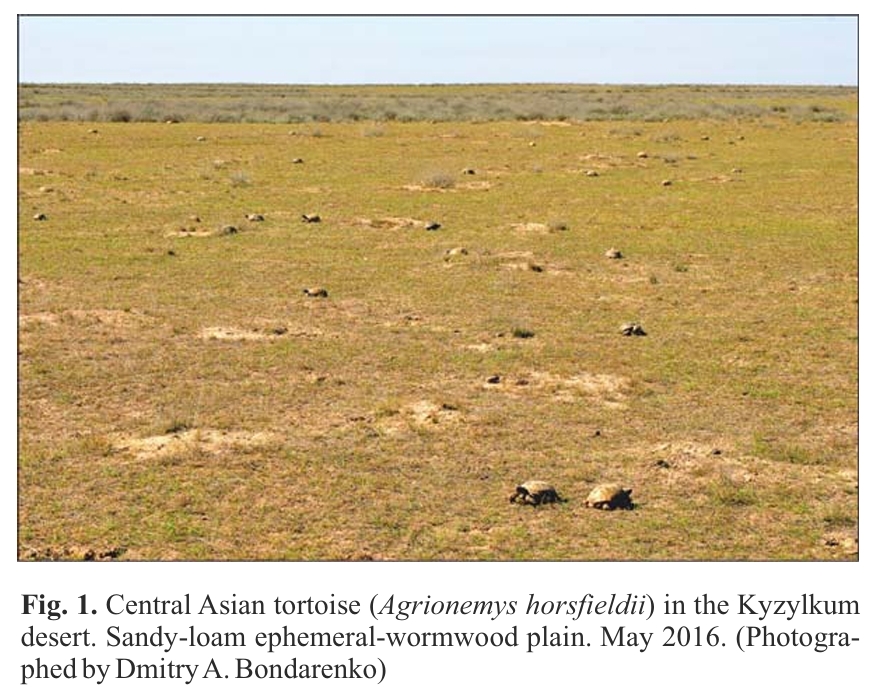
russian tortoises where conditions are optimum in kazakhstan and uzbekistan are said to, even today have population densities as high as 10+ per acre, uzbekistan is said to have had optimum areas with population densities of 3 tortoises per meter...... the use of the word "optimum" here is not mine, it's what the author called it....
Screenshot-22-5-2026-194958.jpg


why are north american wood turtles not found in in the southern united states? many if not most of the watersheds they're found in empty into the mississippi....

i don't intentionally fast my turtles, i just don't feed them on unfavorable days, which are a lot.... and some favorable days if they're lots of them in a row.......pick up any of these turtles here and they will strike you as much heavier than you thought...... fewer feedings is said to lead to less calories and more complete digestion.....

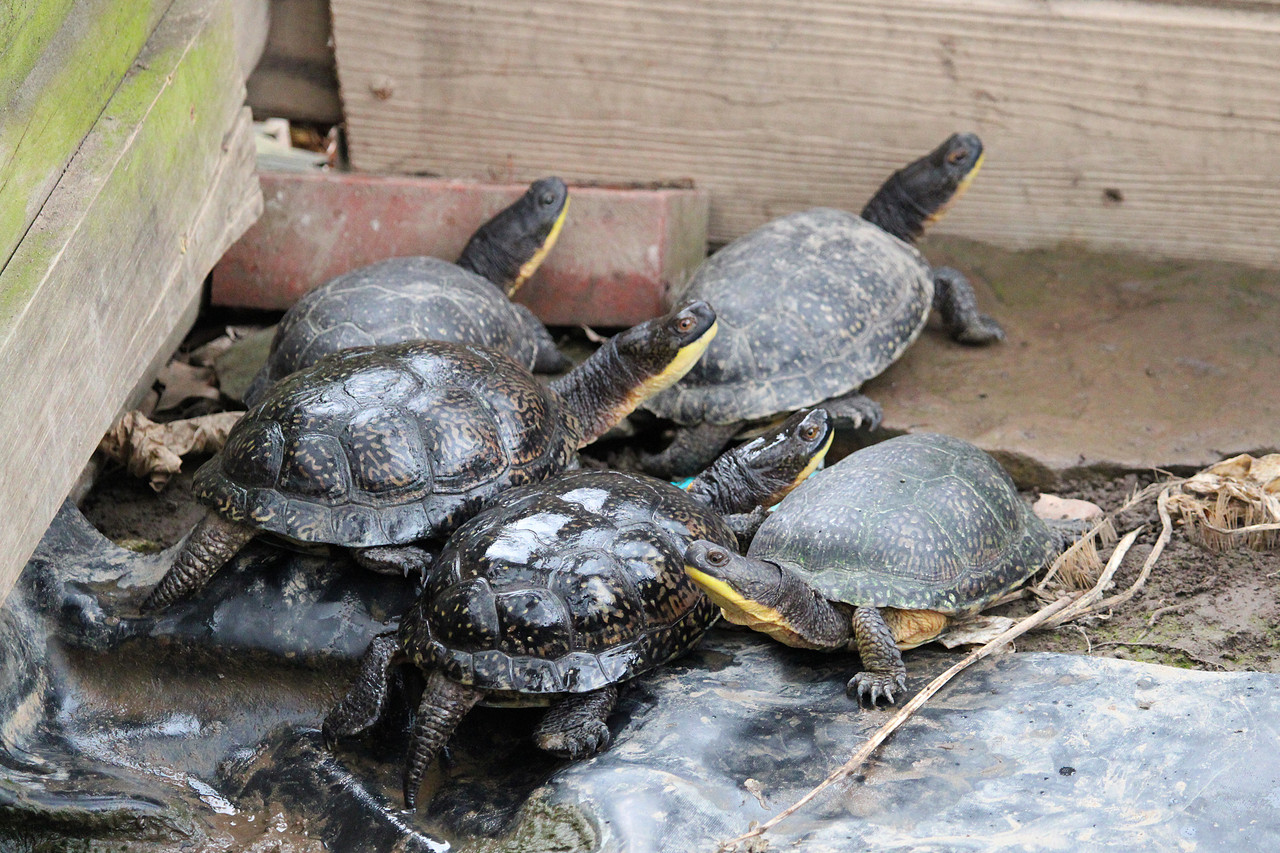
the only difference in these turtle is 1yr and how they were fed the first year of their lives, exact same food, exact same enclosures, exact climate, it should be obvious which two were fed the most/grown the fastest..........i raised 2, then 5, then 3, those are the first 2.... guy i got them from told me they were the slowest growing turtles he ever had, first 2 i got, first year i thought he was wrong. now i agree with him...... i don't know what this shell deformity is called , but guaranteed it wasn't humidity....
IMG-5010.jpg


Intake, apparent digestibility, and digesta passage in leopard tortoises (Geochelone pardalis) fed a complete, extruded feed

"Tortoises in captivity are commonly kept on feeding schedules where they are offered food three times per week. This type of feeding schedule has been recommended, but not objectively evaluated, for captive adult tortoises [Boycott and Bourquin, 1988; Boyer and Boyer, 1996]."

"Feeding juvenile G. pardalis a highly digestible, extruded diet ad libitum, 7 days per week is not recommended. All animals in this study consumed amounts of at least 200% of predicted herbivorous reptile FMR, with some consuming amounts in excess of 400%, and mean growth of the colony was accelerated compared to when mean growth of the colony observed when held at restricted amounts (i.e., 50% and 100% of predicted FMR) pre- and post-trial. Providing short fasts for tortoises may be useful in slowing growth as animals fed ad libitum 3 days per week in this study generally consumed less and grew at a less accelerated rate compared to animals fed 7 days per week."
 

Markw84

Well-Known Member
10 Year Member!
Platinum Tortoise Club
Joined
Jan 17, 2012
Messages
5,442
Location (City and/or State)
Sacramento, CA (Central Valley)
wild tortoises naturally "fast" for months out of every year....... one day a week does absolutely nothing other than it'd be 52 days less of calories per year........ these are animals that have evolved to go without food, often most of the year...this evolution obviously involved physiological adaptations........ the "it's not the wild" statement i find ridiculous, if your not shooting for "the wild" what are you basing your care on???? how do we know their needs????? based on a turtle or tortoise kept in a box????? of course not, their needs are known from observations of animals "in the wild".......

over feeding absolutely causes health issues, can you over feed a proper diet?? absolutely..... i guess someone could argue obese is a healthy state. for a tortoise.......... comes down to calories in, calories out......calories in, not used, are stored as fat...... the majority of that fat is stored in the liver and body cavity where you can't see it....... so that tortoise you look at with all that visible subcutaneous fat in their shoulders and hips, that is the "tip of the iceberg"......... pick up a healthy wild turtle or tortoise and watch them pull in their shell, pick up your captive turtle or tortoise and watch them pull in their shell, the difference in room will be obvious.....

overgrown beaks in birds is known to be commonly caused by liver disease.... birds beaks are keratin, same as tortoise beaks and nails, to me a logical bridge would be tortoises with overgrown beaks and nails are in some stage of liver disease..... over eating/diet/fat is a common cause of liver disease, liver disease is common in turtles and tortoises, and may have very few symptoms until it's in an advanced stage....

experience? well mine would be the opposite of toms, i started by feeding every day, and soon realized when kept in semi natural conditions they don't eat every day even when the food is there to be had...... the only time i ever bother to see if everybody eats is when they emerge from hibernation, i just want to see them eat once, other than that, many of them i never see eat until late fall, i want to see them eat once before i let them hibernate

too fast of growth leads to physical deformities, including shell deformities, i have first hand examples of aquatic turtles with abnormal shells from having growth pushed on them, raised indoors and fed every day..... i also have first hand examples of aquatic turtles with wild/normal shell type fed every once in awhile outside with much slower growth..... these are aquatic turtles, humidity is a non-issue,........seeing as i have also grown normal shells, i have little doubt what caused the abnormal/bumpy shells as opposed to the normal smooth shells

i would love to hear of the negative impact of not feeding every day versus the positive impact of every day feeding...... i wouldn't call not feeding every day a fast, the type of fast i believe has real health benefits would be brumation and aestivation...... not feeding everyday may have the benefit of reducing caloric intake , but i seriously doubt it leads to drawing on stored fat reserves.....

the "good times in the wild" are when tortoises and turtles are physiologically adapted through millions of years of evolution to store fat, what do you suppose happens year after year of storing fat and never needing to draw on this stored fat????? my guess is liver disease.......the longest lived tortoises and turtles are/were in the wild......... why do they look so healthy after hibernating/not eating for 6-7 months???? makes sense to me these animals are evolved to need to draw down their stored fat regularly to remain long term healthy.....

JMO
I'm interested in the liver issue relating to overgrown beaks. Would love to look into that more. Never heard that and wonder if any liver issue has been diagnosed in a tortoise with overgrown beak?

@mark1 I have issue with your relating aquatic turtle experience so liberally to tortoises. As you know, over the past 65+ years I have personal experience raising 100s of both aquatic turtles and 100s of tortoises. I know exactly what you refer to when you comment on a captive raised aquatic that cannot even fully retract into their shell from apparently too much fat. I've seen that countless times and often talk about it. However, I have never seen it with a tortoise. They process and digest food very differently. Their diet profile is very different. They don't store fat, but use stored glycogen in their bloodstream and cells for reserves. You comment on humidity as non issue for shell abnormality, yet fail to take into account the shell and keratin of an aquatic turtle grows very differently that that of a tortoise. An aquatic normally will shed scutes. The new keratin is laid down under the entire old scute layer that is shed leaving the new keratin protected as it is formed. A tortoise never sheds its scutes. New keratin is only formed at the scute seams- totally exposed. Digestion is totally different. Gut transit time for a tortoise is often 10 days or more. Aquatics are much shorter.

My experience has found they are totally different in the way the grow and respond to foods.
 

Tom

The Dog Trainer
10 Year Member!
Platinum Tortoise Club
Joined
Jan 9, 2010
Messages
68,423
Location (City and/or State)
Southern California
Intake, apparent digestibility, and digesta passage in leopard tortoises (Geochelone pardalis) fed a complete, extruded feed

"Tortoises in captivity are commonly kept on feeding schedules where they are offered food three times per week. This type of feeding schedule has been recommended, but not objectively evaluated, for captive adult tortoises [Boycott and Bourquin, 1988; Boyer and Boyer, 1996]."

"Feeding juvenile G. pardalis a highly digestible, extruded diet ad libitum, 7 days per week is not recommended. All animals in this study consumed amounts of at least 200% of predicted herbivorous reptile FMR, with some consuming amounts in excess of 400%, and mean growth of the colony was accelerated compared to when mean growth of the colony observed when held at restricted amounts (i.e., 50% and 100% of predicted FMR) pre- and post-trial. Providing short fasts for tortoises may be useful in slowing growth as animals fed ad libitum 3 days per week in this study generally consumed less and grew at a less accelerated rate compared to animals fed 7 days per week."
What does a study free feeding leopards "a highly digestible, extruded diet" 7 days a week have to do with anything. Nobody is advocating free feeding Mazuri. My assertion is always that: "Tortoises should be fed as much of the right foods as they want daily." Is there anyone involved in this discussion that thinks "a highly digestible, extruded diet" to the exclusion of everything else is the right diet?
 

mark1

Well-Known Member
10 Year Member!
Joined
Dec 31, 2015
Messages
2,380
Location (City and/or State)
ohio
My experience has found they are totally different in the way the grow and respond to foods
i would not contend that.....

the only tortoises i've ever kept were redfooted tortoises and elongated tortoises which are similar to each other and i understand different than most other tortoises

the difference between tortoises and turtles is why i did not call what you see in those two turtles pyramiding, i called it a deformity ...... i am one hundred percent convinced pyramiding in tortoises doesn't happen if they're kept in high humidity....... but i also know improper diet feeding does cause abnormal growth in reptiles ......

i have to think raising giant tortoises as you do, you are knowledgeable and concerned with rates of growth........ it may cause abnormal growth in small turtles and tortoises, but i 'd imagine it could cause life threatening issues in giant tortoises?

fat/glycogen is not something i know other than having read such stuff in an effort to understand reptile hibernation...it is a fact they don't directly use fat... it's my understanding tortoises store fat in their livers coelom, adipose tissue and they synthesize glycogen from that fat in the liver, the fat i think was triglyceride? ..stored glycogen is exhausted too quickly to depend on as a long term source........the reason i've seen given is that storing fat is substantially more efficient than storing glycogen...... an equal amount of fat contains 2x the energy of glycogen......fat does not bind water, storing and using glycogen is a net water loss, i think that would also have something to do with why they store fat instead of just glycogen, especially something like a desert tortoise.... i may be wrong , but i believe this is universal across all reptiles at least those that hibernate.......having read on the stuff i have on this subject is why i feel comfortable that a healthy reptile in decent condition, to starve to death during brumation regardless of intermittent activity/ extreme temperature swings just doesn't happen in properly kept reptiles.....
 

mark1

Well-Known Member
10 Year Member!
Joined
Dec 31, 2015
Messages
2,380
Location (City and/or State)
ohio
i am assuming you read the title of the paper and no more????? hopefully that's the case, if you read the paper and came away thinking what they were feeding had anything to do with what they were looking at, i don't know what to tell you,......... if you actually read it and come away with the same take , let me know i'll explain it........
 

Tom

The Dog Trainer
10 Year Member!
Platinum Tortoise Club
Joined
Jan 9, 2010
Messages
68,423
Location (City and/or State)
Southern California
i am assuming you read the title of the paper and no more????? hopefully that's the case, if you read the paper and came away thinking what they were feeding had anything to do with what they were looking at, i don't know what to tell you,......... if you actually read it and come away with the same take , let me know i'll explain it........
I read the title and the text you posted. What a tortoise is being fed has everything to do with this. Do the same study with grasses and weeds, and then let's talk.
 
Last edited:

mark1

Well-Known Member
10 Year Member!
Joined
Dec 31, 2015
Messages
2,380
Location (City and/or State)
ohio
learn from someone who did what you are advocating for almost two decades, and is now advocating for something different after a decade and a half of doing it
if anyone actually read this paper they could correct me if i'm wrong , that diet, i believe mazuri, was used for a reason , they were fed it for 60-70days.......this study couldn't have be done without a controlled consistent diet ....... they weren't looking for nutritional problems, they were looking for differences in transit times, digestibility/nutrient and energy absorption, and growth with as few variables as possible......

tom, could you tell me what you fed in your feeding study??? maybe you could put up some pics of these 35-40yr old tortoises that you didn't feed everyday, and some pics of these 15yr old tortoises that were fed everyday, i'd be interested in seeing the difference......

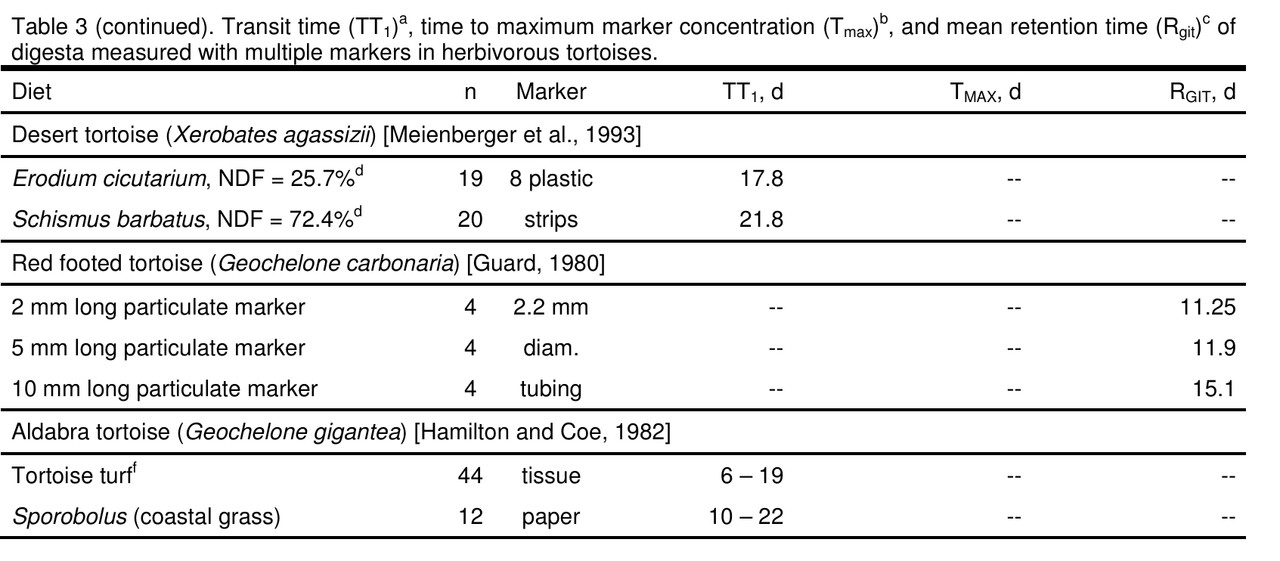
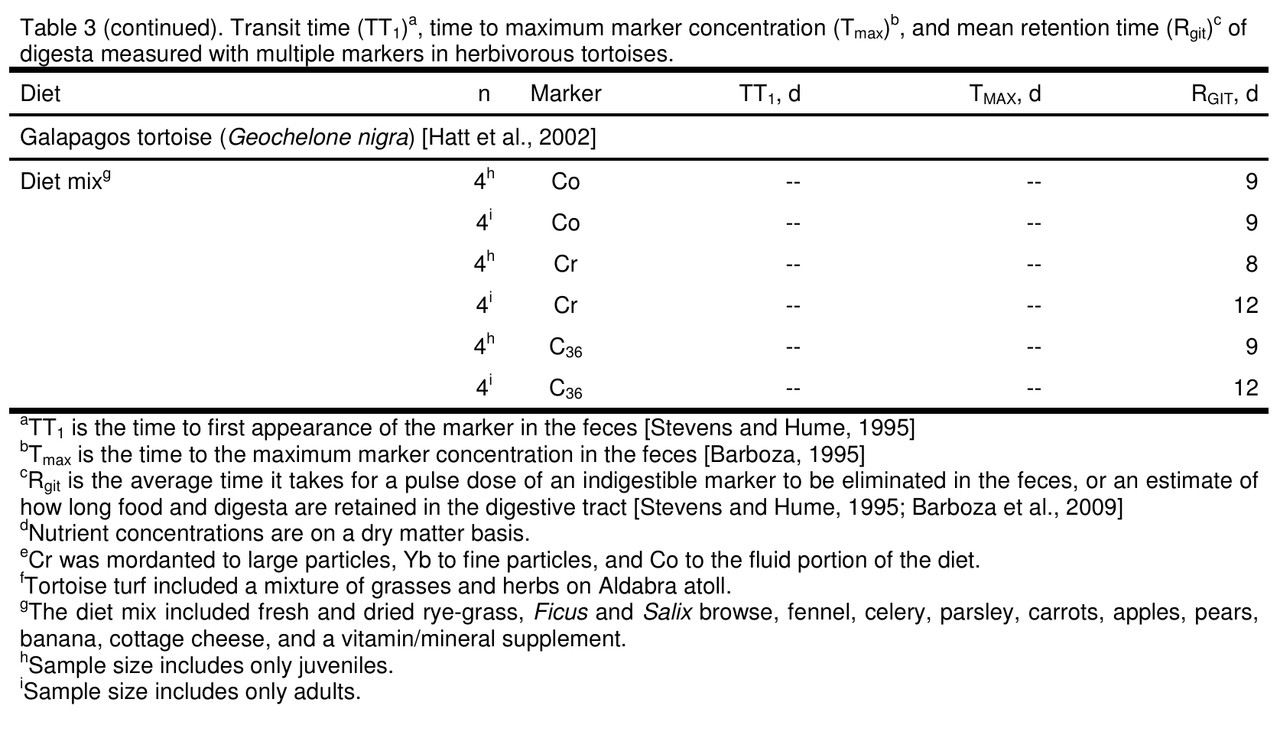
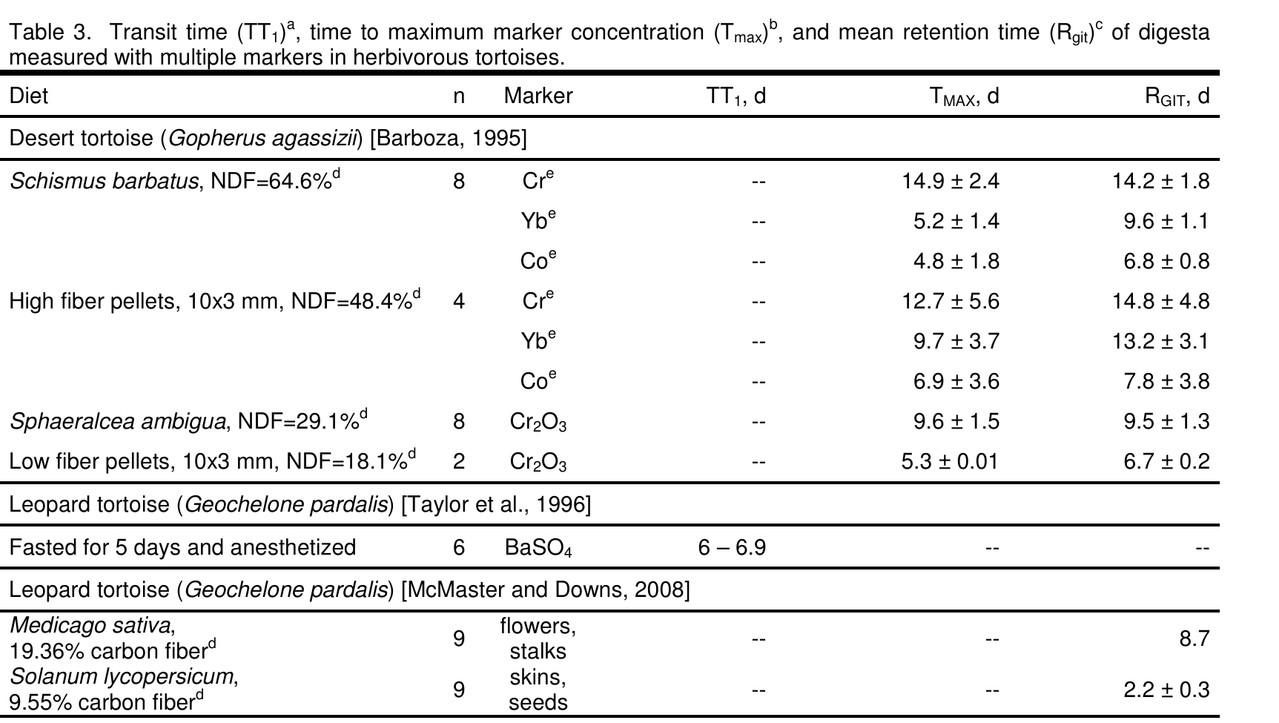
here's 7 other folks who have done similar research, maybe there's cliff notes for those papers out there someplace?????? if you look through "literature cited" in this women's paper, you'll find a lot more folks that have studied this subject.....

Screenshot-24-5-2026-73128-digitalcommons-calpoly-edu.jpg


Screenshot-24-5-2026-7326-digitalcommons-calpoly-edu.jpg

Screenshot-24-5-2026-73110-digitalcommons-calpoly-edu.jpg


this recommendation was made long before this paper........ they could have used your input, you should start publishing your "studies"

"Tortoises in captivity are commonly kept on feeding schedules where they are offered food three times per week. This type of feeding schedule has been recommended, but not objectively evaluated, for captive adult tortoises [Boycott and Bourquin, 1988; Boyer and Boyer, 1996]. Daily feeding is recommended for hatchling animals [Boycott and Bourquin, 1988; Boyer and Boyer, 1996]".
 

Tom

The Dog Trainer
10 Year Member!
Platinum Tortoise Club
Joined
Jan 9, 2010
Messages
68,423
Location (City and/or State)
Southern California
if anyone actually read this paper they could correct me if i'm wrong , that diet, i believe mazuri, was used for a reason , they were fed it for 60-70days.......this study couldn't have be done without a controlled consistent diet ....... they weren't looking for nutritional problems, they were looking for differences in transit times, digestibility/nutrient and energy absorption, and growth with as few variables as possible......

tom, could you tell me what you fed in your feeding study??? maybe you could put up some pics of these 35-40yr old tortoises that you didn't feed everyday, and some pics of these 15yr old tortoises that were fed everyday, i'd be interested in seeing the difference......

here's 7 other folks who have done similar research, maybe there's cliff notes for those papers out there someplace?????? if you look through "literature cited" in this women's paper, you'll find a lot more folks that have studied this subject.....

Screenshot-24-5-2026-73128-digitalcommons-calpoly-edu.jpg


Screenshot-24-5-2026-7326-digitalcommons-calpoly-edu.jpg

Screenshot-24-5-2026-73110-digitalcommons-calpoly-edu.jpg


this recommendation was made long before this paper........ they could have used your input, you should start publishing your "studies"

"Tortoises in captivity are commonly kept on feeding schedules where they are offered food three times per week. This type of feeding schedule has been recommended, but not objectively evaluated, for captive adult tortoises [Boycott and Bourquin, 1988; Boyer and Boyer, 1996]. Daily feeding is recommended for hatchling animals [Boycott and Bourquin, 1988; Boyer and Boyer, 1996]".
If you don't understand the way Mazuri is processed in the gut verses the way natural foods are processed in the gut, then I can't help you. Here. I'll try to help you: Mark, there is a big difference between how tortoises process high fiber natural foods and processed extruded foods.

I fed/feed grass hay, grass, a wide assortment of weeds, mulberry, grape and hibiscus leaves, spineless opuntia pads and occasional Mazuri. There are lots of other seasonal items fed, but those make up a very small percentage of the overall diet, like whole pumpkins in November after Halloween for example.

There are pictures of my older tortoises from some of my first posts on this forum. To summarize, they were small for their age, 30-35 pounds at 10 years old, but still pyramided due to me following the recommendations of the day to keep them dry all the time because they were incorrectly labeled as an arid species, and we were incorrectly told that humidity and dampness would lead to shell rot and respiratory infection. In comparison, feeding them daily resulted in tortoises reaching 60-70 pounds for females and 100+ pounds for males, after 10 years of growth. No orthopedic problems, or any other health problems to report. They all went on to reproduce, laying record number of eggs per cutch, with high rates of fertility per clutch.

If you want to start keeping tortoises and do it both ways for a couple of decades, I'd love to discuss the merits of both methods with you. In the meantime, it would be best for the tortoise of the world if you stayed in your lane and talked about the turtles you keep and your first hand experience with them, instead of trying to convince the world to continue following old incorrect outdated disproven theories on feeding animals that you don't have experience with.

You know all those studies and citations that you and other naysayers cling so tightly to as you try to bolster your unfounded arguments? Did it ever occur to you that someone had to do the original work and learning before there was a citation to be had? Who does the original person cite, other than citing their own first hand observations and experience? Before I came onto this forum and started telling everyone to keep tortoises with humidity and hydration, the whole damn world was keeping them dry on dry substrate. Many died and nearly all pyramided. Early on, lots of people argued just as you are now, and like you, none of them had any experience with the subject matter. They had all been keeping them the old way, and had never tried the new way that I was espousing the benefits of. I discovered these benefit through my own experimentation. There was no one and nothing to cite, as all other references of the day and prior said dry dry dry. It was an unfair argument for them because they only understood one side, while I understood both sides of the argument being discussed.

I wonder why you are pursuing this. Have you considered why you are advocating so hard for something you have very little experience with either way? Why are you arguing with people who have been doing what we are talking about here for decades with dozens or hundreds of tortoises? Do you really think that I am too stupid to see my own results with my own animals that I have hatched and care for daily? In your mind, does a 16 year old study done with 60-70 days of feeding nothing but Mazuri carry more weight than a lifetime of first hand experience?
 

Alex and the Redfoot

Well-Known Member
Platinum Tortoise Club
Joined
Aug 21, 2023
Messages
5,295
Location (City and/or State)
Cyprus
Actually, mark1 has a few good points:

1. In turtles we can see deformities that look like pyramiding (but, perhaps, of a different nature and unlikely caused by lack of humidity). Mark's experience suggests that it can be related to overfeeding.

2. We can see from the linked tables that different tortoise species have different food passage times. So "the best way to raise sulcata" may be not 100% best for Testudo species (I wish can hear some input from Russian tortoise breeders here).

A few European Testudo breeders admit the importance of humidity and start hatchlings in warm and humid conditions without harsh heat lamps. Yet they achieve the best results when combine "growth management" (e.g. fastening days and diet) with high humidity. They don't keep tortoises in tropical 80% humidty, though.

--
I don't see mark1 preaching "ditch humidity, feed less". He shares his experience, thoughts and findings that definitely have value in them.
 

TammyJ

Well-Known Member
5 Year Member
Joined
Jun 21, 2016
Messages
9,261
Location (City and/or State)
Jamaica
@mark1 and @Tom , we love and respect both of you and appreciate your special knowledge and experience.
 

TammyJ

Well-Known Member
5 Year Member
Joined
Jun 21, 2016
Messages
9,261
Location (City and/or State)
Jamaica
@mark1 and @Tom , we love and respect both of you and appreciate your special knowledge and experience.
Tammy. You are much too old, incorrect, outdated and disproven to butt into this erudite and serious discussion. Check out.
 

mark1

Well-Known Member
10 Year Member!
Joined
Dec 31, 2015
Messages
2,380
Location (City and/or State)
ohio
it would be best for the tortoise of the world if you stayed in your lane and talked about the turtles

this is a particularily good line, i'd really like to see that explained ........ i assure you an eastern box turtle is more like a redfoot tortoise than it is an eastern softshell???? a redfoot is more like an eastern box turtle than it is like an egyptian tortoise????? a russian tortoise is more like an ornate box turtle than it is like a hingeback???? any of the podocnemis are not even remotely similar to a snapping turtle????? the process of hibernation or estivation is EXACTLY the same across chelonian species, if you can think of one that's different show me?????? and without a single doubt a box turtle is more like a sulcata than a sulcata is like a cow........ i believe evolutionary hierarchy would say a tortoise is a turtle????


Mark, there is a big difference between how tortoises process high fiber natural foods and processed extruded foods.

odd somehow, the author knew that and brought it up?????
this lady actually has like 7 other folks findings on this paper, on a variety of tortoises "processing" a variety of other natural and unnatural foods..... her result are in hours , theirs in days ,they all seemed between 9-22 days.... i'm sure her method is more accurate than any of the other 7..... what method did you use?????


There are pictures of my older tortoises from some of my first posts on this forum.

you got a phone? just snap a couple pics of the 35yr old ones and the new way ones??? putting up a pic is pretty ez....


why you are advocating so hard for something you have very little experience with either way?

i'm advocating nothing, imo feeding comes down to the proper diet and body condition, those things are specific to a tortoise or turtles situation, you have to learn to judge that..... nutrition is important as is calories consumed, regardless of what you think turtles and tortoises are not different in that respect....... an animal that is evolved to eat 3-6 months a year put in a situation where they are eating 12 months a year, well i think that needs thought about, you obviously don't ???

ULTRASONOGRAPHY OF THE CALIFORNIA DESERT TORTOISE (Xerobates agassizi) ANATOMY AND APPLICATION

"An adult female California desert tortoise was presented with a history of progressive depression and anorexia. The tortoise rapidly declined, and a generalized hepatic lipidosis was seen at necropsy. Hepatic lipidosis is a common finding in tortoises."

there are other causes aside from diet that lead to "fatty liver", but fatty liver disease is always- triglyceride(fat) accumulation within the liver cells that obstruct the organ's function

i've got plenty of experience, i'm sure more than you.....
i've hired skilled folks for the last 30yrs, experience is over rated, it often just points out how bad someone is at what they do.......

when it comes to my opinions on my animals, i always think i'm wrong, it's why i look for scientific backup to everything i do ....i've never referenced a paper that didn't coincide my personal experience.... so when you debate me , your debating an author of a peer reviewed paper also...... unless i misunderstood what i read, which is always a possibility, but to check that route you'd actually need to read the paper.......... even so i only post papers explaining what i've seen.....

In your mind, does a 16 year old study done with 60-70 days of feeding nothing but Mazuri carry more weight than a lifetime of first hand experience?

there's that word experience, i have a lifetime of dealing with that word, i happen to be someone who knows firsthand what it means, it can be very unimpressive, and the fact they have experience can speak very poorly of the person touting their "experience"...... answer to the question, YES........ i actually don't believe you feed your free ranging tortoises every day, but that's just me.........

those studys are not just seeing something and coming up with an opinion?????? there is an accepted scientific method, i'm guessing your method falls pretty short of anything remotely "scientific", but there are folks who don't believe in science..... those papers are peer reviewed because even they can fall short ...... the paper cited here is a thesis for a phd... imo, very well done , there are minimal possible variables i can see.... the conclusions are factual data........and any opinions are given as opinions.....

Peer reviewed= describes the rigorous quality-control process where an author's scholarly work, research, or manuscript is evaluated by independent experts (peers) in the same field prior to publication

"Before I came onto this forum and started telling everyone to keep tortoises with humidity and hydration, the whole damn world was keeping them dry on dry substrate. Many died and nearly all pyramided."

these folks stole your credit????

humidity causing pyramiding;
Mike Pingleton, Association of Reptilian and Amphibian Veterinarians, 2006......

weisner and iben, 2002

april johnson, university of florida, 2005

chris tabaka, chelonian critical care clinic 2005

fife 2001

innis, new england aquarium 2008

Do you really think that I am too stupid to see my own results with my own animals that I have hatched and care for daily?

I don't know you, but from the interactions on here , i'd guess your prideful, stubborn, and those traits tend to make someone ignorant to their ignorance........
 
Last edited:

mark1

Well-Known Member
10 Year Member!
Joined
Dec 31, 2015
Messages
2,380
Location (City and/or State)
ohio
I don't see mark1 preaching "ditch humidity, feed less". He shares his experience, thoughts and findings that definitely have value in them.
thank you


i don't consider humidity, i would have not much of an opinion on it .... feed less, no feed a correct amount...... if you feed to much feed less......recognize what a healthy tortoise or turtle looks like......

as i said above, turtles and tortoises that have evolved to eat 3-6months a year and are put in a situation where they are eating 12 months a year, imo, that should be thought about......
 

Tom

The Dog Trainer
10 Year Member!
Platinum Tortoise Club
Joined
Jan 9, 2010
Messages
68,423
Location (City and/or State)
Southern California
it would be best for the tortoise of the world if you stayed in your lane and talked about the turtles

this is a particularily good line, i'd really like to see that explained ........ i assure you an eastern box turtle is more like a redfoot tortoise than it is an eastern softshell???? a redfoot is more like an eastern box turtle than it is like an egyptian tortoise????? a russian tortoise is more like an ornate box turtle than it is like a hingeback???? any of the podocnemis are not even remotely similar to a snapping turtle????? the process of hibernation or estivation is EXACTLY the same across chelonian species, if you can think of one that's different show me?????? and without a single doubt a box turtle is more like a sulcata than a sulcata is like a cow........ i believe evolutionary hierarchy would say a tortoise is a turtle????


Mark, there is a big difference between how tortoises process high fiber natural foods and processed extruded foods.

odd somehow, the author knew that and brought it up?????
this lady actually has like 7 other folks findings on this paper, on a variety of tortoises "processing" a variety of other natural and unnatural foods..... her result are in hours , theirs in days ,they all seemed between 9-22 days.... i'm sure her method is more accurate than any of the other 7..... what method did you use?????


There are pictures of my older tortoises from some of my first posts on this forum.

you got a phone? just snap a couple pics of the 35yr old ones and the new way ones??? putting up a pic is pretty ez....


why you are advocating so hard for something you have very little experience with either way?

i'm advocating nothing, imo feeding comes down to the proper diet and body condition, those things are specific to a tortoise or turtles situation, you have to learn to judge that..... nutrition is important as is calories consumed, regardless of what you think turtles and tortoises are not different in that respect....... an animal that is evolved to eat 3-6 months a year put in a situation where they are eating 12 months a year, well i think that needs thought about, you obviously don't ???

ULTRASONOGRAPHY OF THE CALIFORNIA DESERT TORTOISE (Xerobates agassizi) ANATOMY AND APPLICATION

"An adult female California desert tortoise was presented with a history of progressive depression and anorexia. The tortoise rapidly declined, and a generalized hepatic lipidosis was seen at necropsy. Hepatic lipidosis is a common finding in tortoises."

there are other causes aside from diet that lead to "fatty liver", but fatty liver disease is always- triglyceride(fat) accumulation within the liver cells that obstruct the organ's function

i've got plenty of experience, i'm sure more than you.....
i've hired skilled folks for the last 30yrs, experience is over rated, it often just points out how bad someone is at what they do.......

when it comes to my opinions on my animals, i always think i'm wrong, it's why i look for scientific backup to everything i do ....i've never referenced a paper that didn't coincide my personal experience.... so when you debate me , your debating an author of a peer reviewed paper also...... unless i misunderstood what i read, which is always a possibility, but to check that route you'd actually need to read the paper.......... even so i only post papers explaining what i've seen.....

In your mind, does a 16 year old study done with 60-70 days of feeding nothing but Mazuri carry more weight than a lifetime of first hand experience?

there's that word experience, i have a lifetime of dealing with that word, i happen to be someone who knows firsthand what it means, it can be very unimpressive, and the fact they have experience can speak very poorly of the person touting their "experience"...... answer to the question, YES........ i actually don't believe you feed your free ranging tortoises every day, but that's just me.........

those studys are not just seeing something and coming up with an opinion?????? there is an accepted scientific method, i'm guessing your method falls pretty short of anything remotely "scientific", but there are folks who don't believe in science..... those papers are peer reviewed because even they can fall short ...... the paper cited here is a thesis for a phd... imo, very well done , there are minimal possible variables i can see.... the conclusions are factual data........and any opinions are given as opinions.....

Peer reviewed= describes the rigorous quality-control process where an author's scholarly work, research, or manuscript is evaluated by independent experts (peers) in the same field prior to publication

"Before I came onto this forum and started telling everyone to keep tortoises with humidity and hydration, the whole damn world was keeping them dry on dry substrate. Many died and nearly all pyramided."

these folks stole your credit????

humidity causing pyramiding;
Mike Pingleton, Association of Reptilian and Amphibian Veterinarians, 2006......

weisner and iben, 2002

april johnson, university of florida, 2005

chris tabaka, chelonian critical care clinic 2005

fife 2001

innis, new england aquarium 2008

Do you really think that I am too stupid to see my own results with my own animals that I have hatched and care for daily?

I don't know you, but from the interactions on here , i'd guess your prideful, stubborn, and those traits tend to make someone ignorant to their ignorance........
Wow. This has gotten comical Mark. I'll recap:
1. The guy with little to no experience feeding tortoises with either method is still arguing with the guy who has decades of experience using both methods on literally hundreds of tortoises of multiple species.
2. You are summarily dismissing all of my decades of first hand experience regarding this subject matter because you once had a guy on a job site of yours that wasn't very bright or very good at his job.
3. You say you are advocating nothing, but it sure seems like you are arguing with my assertion that tortoises should be fed daily. Did I misinterpret that? Is this not an argument about whether to feed every day or skip days? Isn't the study you keep citing specifically about this? BTW, no one here is advocating skipping brumation or feeding temperate tortoise species during brumation. That would be silly. Do I really need to spell out that I'm saying feed them daily when they are not brumating? I think most people, even dumb people with experience like me, could figure that one out all on their own.
4. You are directly and publicly calling me a liar in regards to how I feed the tortoises in my care.
5. You hold peer reviewed studies in high regard. Well sir, you are in luck because my studies, methods and techniques have been reviewed not only by my peers, but by thousands of people all over the entire world. I lost count of how many languages my findings have been translated into, and people all over the world get the same positive results that I get when they follow the same methods. I bet that study you are citing didn't have thousands upon thousands of peers reviewing and duplicating the experiments over multiple decades. But meh... My experience means nothing, right? Cause you've had dumb dumbs on your job sites. Right?

Why then Mark, are you wasting your time arguing with someone who you believe to be a stubborn, prideful, ignorant, liar? I don't think I've ever witnessed such a case of projection. Although I've never thought you are a liar about your husbandry methods, so that part is a surprise. Maybe you do lie about your methods? I suppose I'll never know because I won't be arguing with you about the best methods for keeping or feeding north American turtle species since I don't have a leg to stand on in that argument. I'm sure that if I were inclined, I could find lots of peer reviewed studies to refute any point you'd like to make. But I won't be doing that. I prefer to spend my time and effort on more constructive things.
 
Last edited:

mark1

Well-Known Member
10 Year Member!
Joined
Dec 31, 2015
Messages
2,380
Location (City and/or State)
ohio
"You say you are advocating nothing, but it sure seems like you are arguing with my assertion that tortoises should be fed daily. Did I misinterpret that? Isn't the study you keep citing specifically about this?"
i'd say read her conclusion, all of that is what this paper is about..... the sound opinions that can be drawn from those factual results are way beyond feeding or not every day, and have absolutely nothing to do with what your feeding.............. what do i advocate?? i advocate for folks to take what they read on here and fact check it, everything they read on here should not be taken as gospel...... your right tom, i could be completely full of it, this is the internet, anyone can be whoever they want to be and have any type of experience they tell you they have.........

IMPORTANT QUESTION; can you tell me me what makes a tortoise different than a turtle, keep it factual???? diet???? lots of tortoises are omnivores, lots of turtles are herbivores, some carnivores.....estivation??? brumation???? climate????. the differences are what ????? the feet ????? well a fly river turtles feet look nothing like wood turtles feet???? are wood turtles not turtles??? or are fly river turtles not turtles??? you want go the taxonomy route??? turtles are not tortoises, tortoises are turtles.....


this i found really interesting in this woman's thesis, "
"When fed 7 compared to 3 days per week, tortoises grew more in plastron width (PW) and carapace height (CH), but not midline straight carapace length (MSCL)",
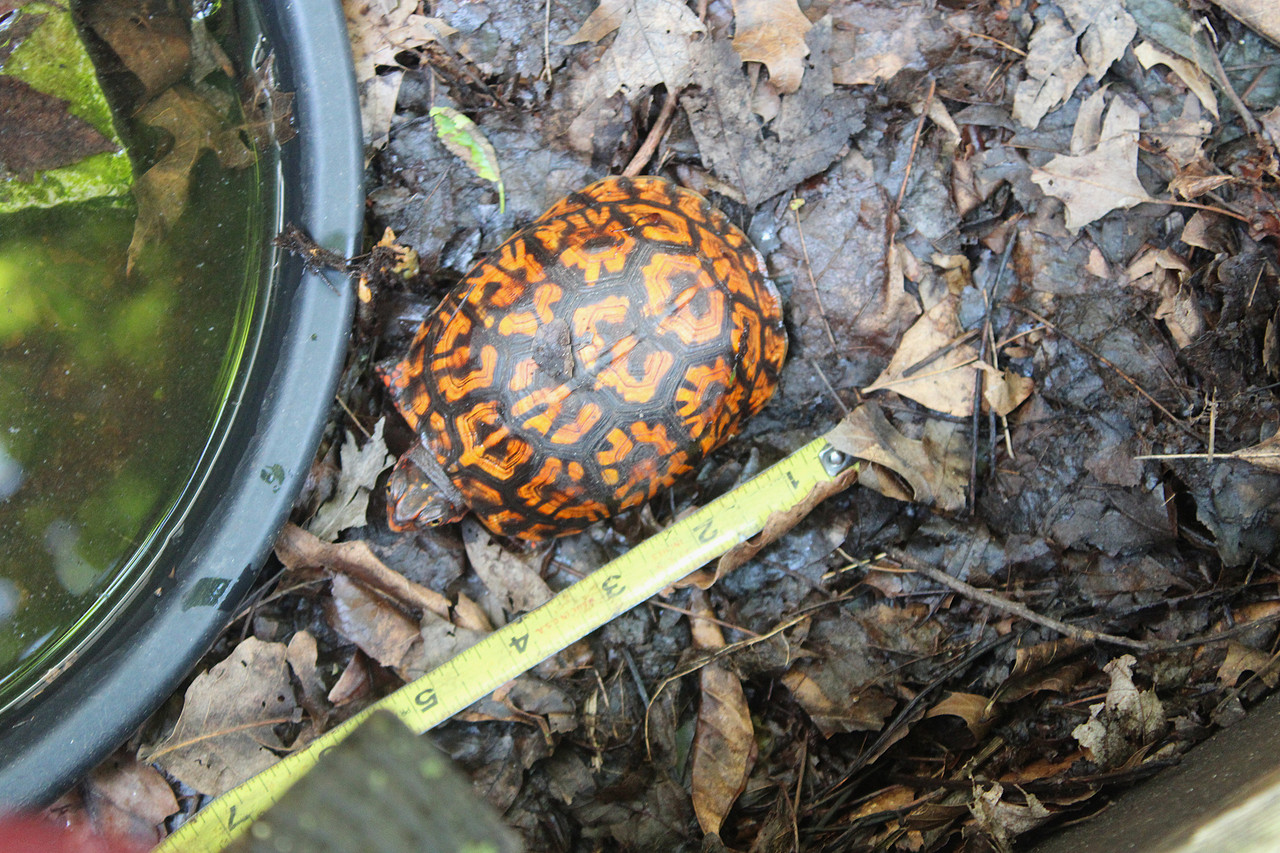
what i found interesting about that result, it describes exactly what i've seen in overfed/fast grown eastern box turtles, they grow up rounder when looked at from the top, length to width....... here's a 6yr old eastern box turtle, he could easily have been raised to be adult sized at 6yrs..would that be beneficial???? born outside and has brumated outside every year , and i feed him once in awhile...... his size is exactly inline with what is seen in wild box turtles in northeast ohio...... would it be beneficial if he were pushed to be adult sized at 6yrs?? .seems quite a few folks that have no dog in the fight believe faster than normal growth is not a positive thing in turtles or tortoises....... odd they seen the same thing in a tortoise as i have seen in turtles.......

IMG-5524.jpg


"no one here is advocating skipping brumation or feeding temperate tortoise species during brumation. That would be silly. Do I really need to spell out that I'm saying feed them daily when they are not brumating?"
what do you advocate for the majority of people who have tortoise species that brumate and do not brumate their tortoises?????

"a stubborn, prideful, ignorant, liar?"
damn! that sounds way more terrible than what i thought i said????

"I lost count of how many languages my findings have been translated into"
what number were you on when you lost count??
 

TammyJ

Well-Known Member
5 Year Member
Joined
Jun 21, 2016
Messages
9,261
Location (City and/or State)
Jamaica
I like both of them. I want them both to win.
 

New Posts

Top