Just doing my job 
Danny
Danny

egyptiandan said:Just doing my job
Danny
stells said:This is why i rarely post pictures to prove my point... no matter what i do its not good enough... i have seen plenty of pyramided and deformed greeks... hermanns (i have a deformed one here)... Horsfields... they aren't all easy to grow...
I won't bother any more... i have put alot of time and effort into growing these tortoises smooth... then you try and say oh it because its a greek and they fair better... just because humidity wasn't one of the factors i included...
Its funny how once i put the picture up... disproving the theory... this thread suddenly became slightly more species specific...
Sorry folks... i won't give anymore details on humidity levels in the enclosure... or pictures of the adults... as they are just greeks and don't count...

egyptiandan said:I never said it was a sole reason for pyramiding
"So you really can't just pluck one thing out of the air and say EUREKA I've found why tortoises pyramid. It's a complex process of many interconnected things. Everything must be taken as a whole and figured out as a whole."
Yes Candy I am saying that just one thing won't solve pyramiding.
Danny
It's nice that you read every post before you respond. I like that. Thanks 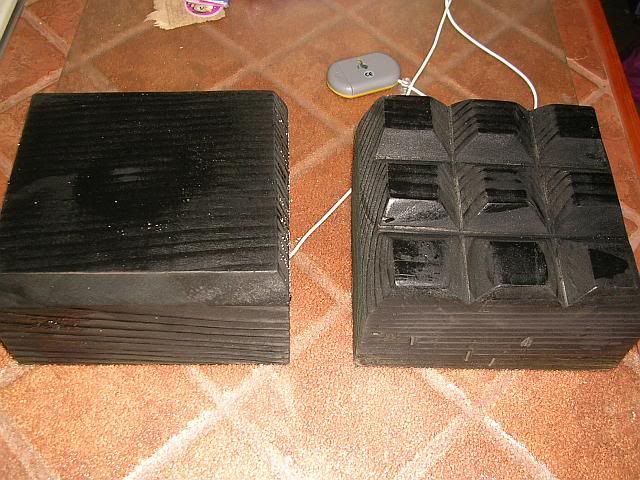
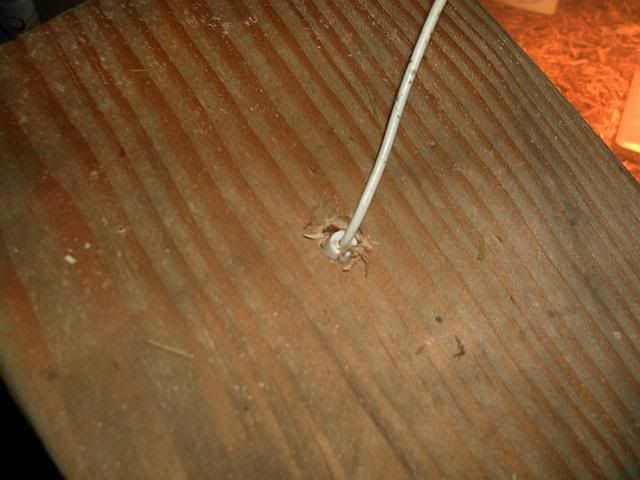
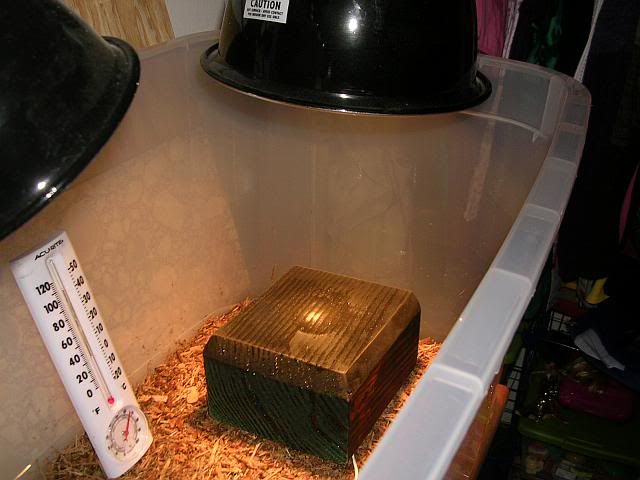
Neal Butler said:That's pretty neat that you did that. I would question how applicable your results would be to tortoises though. What I mean is how similar is a block of wood to a tortoises shell?

squamata said:I think the answer lies in another question.exactly how and where do leopard trotoises spend the first year of their life in the wild?
Neal Butler said:squamata said:I think the answer lies in another question.exactly how and where do leopard trotoises spend the first year of their life in the wild?
I would pay a lot of money to find this out.

Balboa said:Yup, you make perfect sense Ona. More reason to come up with a better model
The rate is another factor I was hoping to test for as well, just takes time.
The "offgassing" of water vapor is another issue to be tackled. Evaporation from a shell/skin either real or simulated has an effect on temps. After all this cooking this will be some very dry wood, and I imagine the drier the wood, the poorer at conducting heat.
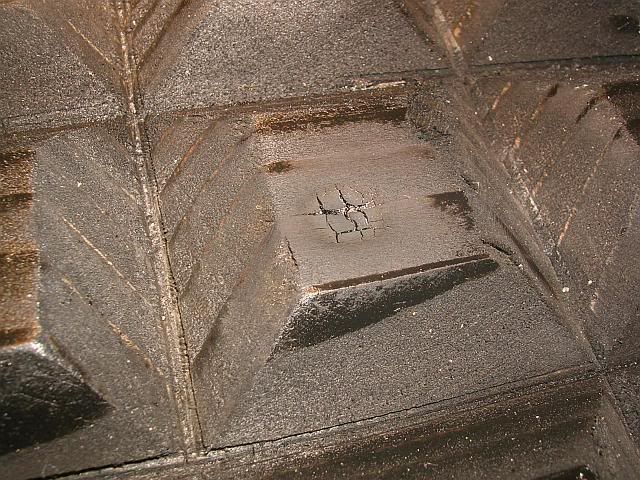
I had to raise the light this evening, core is up to 90, but the center scute started to combust!
I never saw any flame or smoke, but can smell it, so essentially its more like its being distilled (remembering back to science class in school where we heated wood in a test tube, it turned to char, and we collected the combustible gasses generated).
It is very clear to me that the spotlight I'm using has an intensely hot focused beam at its center. Totally unrelated, but possibly equally important as a safety measure I want to check more lamps for this hot spot. This could prove very damaging to reptiles.


