Considering purchasing my wife a tortoise, and I have some noob questions please :-)

Joined
Jun 4, 2026
Messages
32
Location (City and/or State)
Upstate New York
Hello!

Tortoise noob here, and I've joined the forum to hopefully get some help in deciding if there's a tortoise that might be a good fit for us. I'm very happy to do my own research (which I've already started), but I would certainly be grateful for any help or suggestions from the community :)

Backstory: My wife had a box turtle when we met, it was given to her by her father on her 15th birthday, and she had it over 35 years until it sadly passed away last December. His name was 'Luckie Turtle Man' and that's why I chose that as my user name (that, and I couldn't think of anything else!).

My background: I have previous experience keeping and breeding snakes and some lizards, and I'm a life-long keeper of aquaria, including saltwater reef tanks. I am a regular contributor to a very popular reef aquarium web forum. I have a degree in Bio, though I work in another industry. I know the importance of researching any potential exotic pet before purchasing, so that's what I'm trying to do. And, I'm an avid woodworker and I look forward to building a nice tortoise table and outdoor pen.

Confession: Please don't get angry at me, but Luckie Turtle Man had a woefully inadequate setup, and even as a tortoise noob I knew this, I just didn't feel right questioning my wife's pet that she had FOR YEARS before we met. If we take on another tortoise, I want to do it right.

I've been researching, and I know these animals need a lot of room. We live in Upstate New York with a yard where we can build a decent sized outdoor pen, but that's only a few months out of the year. The rest of the year the tortoise would have to live inside our rather small home, and for this reason I'm looking into the more diminutive species like Russians, Egyptians, and Herman's.

This brings me to my first question: What would be the best fit for a small space, and is there any species that could be safely and ethically housed in something like 3'x4' or 3'x5' table? Or, do even these smaller species require like 4'x8' tables?

As far as the table, would a 'multi-tiered' table help, meaning, having a deeper (top to bottom) table with ramps and shelves on the sides. The shelves could be a basking site while under the shelf could be a shady hide, but all combined they would add to an increase in square footage. Does that make sense to anyone besides me?

I have read Tom's post about beginner facts, and I've learned it's crucially important to purchase a tortoise from a quality breeder. To be fair, I knew that already, but Tom's post helped me understand why this is particularly important with tortoise babies. Could someone tell what would be a good place to order from just so I can start to see what's available and how they are priced? Are there forum members that are breeders?

I have A LOT of further questions, but I'll stop here for now ;)

If anyone can address some of my questions or provide additional help or resources I'd very much appreciate it!

Thank you in advance for your help!
 

COmtnLady

Well-Known Member
Tortoise Club
5 Year Member
Joined
Feb 16, 2020
Messages
4,419
Location (City and/or State)
Colorado
This brings me to my first question: What would be the best fit for a small space, and is there any species that could be safely and ethically housed in something like 3'x4' or 3'x5' table? Or, do even these smaller species require like 4'x8' tables?


Here are two threads that have lots of pics of enclosures other people have made. You might want to consider two or three story enclosure - it would have the same footprint as a single story, but with a ramp and guardrails, that aren't at too steep of an angle , might be something to consider. (Just remember to allow for ease of cleaning, your access, and be tall enough that you don't discuss its heritage when you need to do things in it... being bent over for an hour will make your back seize up... bumping your head is no fun,,, etc.) The more your tortoise can walk around, explore, see different "vistas", the healthier it will be.


I have read Tom's post about beginner facts, and I've learned it's crucially important to purchase a tortoise from a quality breeder. To be fair, I knew that already, but Tom's post helped me understand why this is particularly important with tortoise babies. Could someone tell what would be a good place to order from just so I can start to see what's available and how they are priced? Are there forum members that are breeders?

There are lots of members here who raise the kind of tortoise you eventually decide upon. There will be suggestions and names for them, and for other trusted sources , once you figure out the species you want.

There is also the possibility that you could find a tortoise in need of adopting. Check local rescues and CraigsList. Many times the money being asked is a lot less than from other sources, sometimes its enough for the owners there to feel like you would be a great place for their special friend they can no longer keep and they will give it to you if you promise to take good care of it. (Sometimes you will be so appalled at the conditions you'll want to do anything to save it from further abuse...).

There are Vendor Reviews, on the front page of this site. Plus, it would be wise to ask about using a particular source before you get involved with it, too.


.
 

Tom

The Dog Trainer
10 Year Member!
Platinum Tortoise Club
Joined
Jan 9, 2010
Messages
68,517
Location (City and/or State)
Southern California
Hello!

Tortoise noob here, and I've joined the forum to hopefully get some help in deciding if there's a tortoise that might be a good fit for us. I'm very happy to do my own research (which I've already started), but I would certainly be grateful for any help or suggestions from the community :)

Backstory: My wife had a box turtle when we met, it was given to her by her father on her 15th birthday, and she had it over 35 years until it sadly passed away last December. His name was 'Luckie Turtle Man' and that's why I chose that as my user name (that, and I couldn't think of anything else!).

My background: I have previous experience keeping and breeding snakes and some lizards, and I'm a life-long keeper of aquaria, including saltwater reef tanks. I am a regular contributor to a very popular reef aquarium web forum. I have a degree in Bio, though I work in another industry. I know the importance of researching any potential exotic pet before purchasing, so that's what I'm trying to do. And, I'm an avid woodworker and I look forward to building a nice tortoise table and outdoor pen.

Confession: Please don't get angry at me, but Luckie Turtle Man had a woefully inadequate setup, and even as a tortoise noob I knew this, I just didn't feel right questioning my wife's pet that she had FOR YEARS before we met. If we take on another tortoise, I want to do it right.

I've been researching, and I know these animals need a lot of room. We live in Upstate New York with a yard where we can build a decent sized outdoor pen, but that's only a few months out of the year. The rest of the year the tortoise would have to live inside our rather small home, and for this reason I'm looking into the more diminutive species like Russians, Egyptians, and Herman's.

This brings me to my first question: What would be the best fit for a small space, and is there any species that could be safely and ethically housed in something like 3'x4' or 3'x5' table? Or, do even these smaller species require like 4'x8' tables?

As far as the table, would a 'multi-tiered' table help, meaning, having a deeper (top to bottom) table with ramps and shelves on the sides. The shelves could be a basking site while under the shelf could be a shady hide, but all combined they would add to an increase in square footage. Does that make sense to anyone besides me?

I have read Tom's post about beginner facts, and I've learned it's crucially important to purchase a tortoise from a quality breeder. To be fair, I knew that already, but Tom's post helped me understand why this is particularly important with tortoise babies. Could someone tell what would be a good place to order from just so I can start to see what's available and how they are priced? Are there forum members that are breeders?

I have A LOT of further questions, but I'll stop here for now ;)

If anyone can address some of my questions or provide additional help or resources I'd very much appreciate it!

Thank you in advance for your help!

Hello and welcome!

Even the smallest species need 4x8 feet inside. You could get by with 3x8, like with a Smart Enclosure, but 3x4 is too small for anything but a juvenile. I've tried multi-story tortoise housing and I don't care for it. It didn't work well for me, and I didn' like the results, but that is really just a preference.

Also, tables are not the way to go in most cases, unless the entire room is the correct temperature and humidity. In most cases it is better, and much more efficient, to contain the heat and humidity inside the enclosure, instead of having it dissipate up and into the room.

This leads me to my next point that I hope will help you: Research is great, BUT, almost all of the info from almost every source is old, out-dated, wrong care info. It's really sad. This forum is the only place I know of dispensing the right info, and there are still some members here using the and recommending the old wrong info. Like using sand in the substrate. "Well who says it's wrong?" The dead tortoises whose necropsy revealed a gut full of sand, that's who.

Each of the species you mentioned would be great, but all of those need to brumate in winter. Do you want one that stays up and active in winter? If yes, I would suggest a Burmese star or a pancake tortoise. If not, a male Russian or hermanni would be great.

Get your tortoise directly from a breeder who knows how the parents are cared for, and starts the babies correctly. If the seller can't tell you all the details about when the baby hatched, what incubation media, how often it was soaked, what substrate it was kept on, etc... Then look elsewhere. Even when they can answer those questions, from breeders outside of this forum, you will often get the wrong answers. For example, some people still incubate on perlite. Perlite can kill them months down the road. Many think soaking is somehow bad and don't do it. The result is damaged kidneys that can, you guessed it..., kill them weeks or months down the road. Because these problems don't surface for weeks or months after the sale, many of these breeders don't even realize what they are doing wrong. Once you pick a species, we can point you in the right direction.
 

The_Four_Toed_Edward

Well-Known Member
Joined
Apr 6, 2024
Messages
6,295
Location (City and/or State)
Finland
This brings me to my first question: What would be the best fit for a small space, and is there any species that could be safely and ethically housed in something like 3'x4' or 3'x5' table? Or, do even these smaller species require like 4'x8' tables?

As far as the table, would a 'multi-tiered' table help, meaning, having a deeper (top to bottom) table with ramps and shelves on the sides. The shelves could be a basking site while under the shelf could be a shady hide, but all combined they would add to an increase in square footage. Does that make sense to anyone besides me?
Multi tiered enclosures work for some people. There are some examples here on the forum.

Are you planning on getting a hatchling or are you looking for an adult tortoise? If you get a young tortoise, table isn't the way to go in terms of managing temps and humidity. For an older Hermanns or Russian it is doable though.
 
Joined
Jun 4, 2026
Messages
32
Location (City and/or State)
Upstate New York
Thank you all for the replies and help, I really appreciate it!

If all the tortoises I've mentioned need at least a 4'x8' enclosure or table, I don't know if we'd have the room for that. Is a two or three tiered system at least possible if well designed? Are there any box turtles that would require less room?

I do know I'd like a captive bred animal where we would know its age. A well started baby would be what I'm hoping for, and I do know that they will require more care and do best in something like a tub, not a table. But again, these animals might now be for us if I don't have the room to house an adult.

And, I did just recently learn that some species require brumation. That's new to me, the snakes I've kept only required brumation if you planned on breeding them in the spring. How do you guys feel about this? On one hand, we'd have no interested in breeding, we are just looking to a pet we can enjoy, ideally all year long. However, I also know it's kind of a nice break from maintenance when your animals are brumating, so I'm not sure what would be best for us.

Thanks again for all the help!
 

Tom

The Dog Trainer
10 Year Member!
Platinum Tortoise Club
Joined
Jan 9, 2010
Messages
68,517
Location (City and/or State)
Southern California
Thank you all for the replies and help, I really appreciate it!

If all the tortoises I've mentioned need at least a 4'x8' enclosure or table, I don't know if we'd have the room for that. Is a two or three tiered system at least possible if well designed? Are there any box turtles that would require less room?

I do know I'd like a captive bred animal where we would know its age. A well started baby would be what I'm hoping for, and I do know that they will require more care and do best in something like a tub, not a table. But again, these animals might now be for us if I don't have the room to house an adult.

And, I did just recently learn that some species require brumation. That's new to me, the snakes I've kept only required brumation if you planned on breeding them in the spring. How do you guys feel about this? On one hand, we'd have no interested in breeding, we are just looking to a pet we can enjoy, ideally all year long. However, I also know it's kind of a nice break from maintenance when your animals are brumating, so I'm not sure what would be best for us.

Thanks again for all the help!
Tortoises require large enclosures for many reasons, but a primary one is this: Much like a horse, they rely on locomotion to help keep things moving in the GI tract. Small enclosures can start to cause all sorts of problems.

Some people decide to have a small enclosure, and then let the turtle or tortoise roam loose in the house. Everyone who does this says they made it safe and they supervise closely, but we see tragedy after tragedy as a result of this practice. It can't be made safe, and so we recommend against it.

There are some small aquatic turtles that can live in a 60 or 100 gallon sized tank. And I'm sure you know about blue tongue skinks, and other such great pet lizards that would be fine living in a 3x4 foot enclosure. Torotises just need huge amounts of space to thrive and remain healthy. Because your tortoise will have several months a year in a large outdoor enclosure, you might be able to get away with a smaller indoor enclosure, even more so if you choose a species that brumates for several of those indoor months.

Brumation. Is it necessary? This is a debatable subject. There are people who do not brumate their temperate tortoises, and their tortoises survive and even breed sporadically sometimes. Is it "good" for them to skip brumation and be kept up all winter? I don't think it is. It seems unnatural to me. I've always brumated temperate species, and the results have always been great. There are other people who brumate them incorrectly and this can be a problem too. It's a decision you will have to make for yourself. Here is a thread I typed up on the subject a few years back:
 
Joined
Jun 4, 2026
Messages
32
Location (City and/or State)
Upstate New York
Tom, I did read your FAQ for beginners and found it quite helpful. I am definitely trying to do this right or not at all :)

Tortoises require large enclosures for many reasons, but a primary one is this: Much like a horse, they rely on locomotion to help keep things moving in the GI tract. Small enclosures can start to cause all sorts of problems.
Yes, I have recently learned this.

Some people decide to have a small enclosure, and then let the turtle or tortoise roam loose in the house. Everyone who does this says they made it safe and they supervise closely, but we see tragedy after tragedy as a result of this practice. It can't be made safe, and so we recommend against it.
We (or really my wife) would let our box turtle wonder the house. I've read a lot since about the concerns of doing this. I can say that I don't *think* this was a problem with our previous box turtle, but who knows if something he ingested while roaming our floor ultimately led to his demise :(

There are some small aquatic turtles that can live in a 60 or 100 gallon sized tank. And I'm sure you know about blue tongue skinks, and other such great pet lizards that would be fine living in a 3x4 foot enclosure. Torotises just need huge amounts of space to thrive and remain healthy. Because your tortoise will have several months a year in a large outdoor enclosure, you might be able to get away with a smaller indoor enclosure, even more so if you choose a species that brumates for several of those indoor months.
Yes, I'm aware of some of the aquatic turtles, and while I've never had a Blue Tongue, I have kept some of the larger monitor lizards. I do know that there are other pet herps, and I wouldn't enter into tortoise-land unless I was confident that I could provide a proper setup.

Brumation. Is it necessary? This is a debatable subject. There are people who do not brumate their temperate tortoises, and their tortoises survive and even breed sporadically sometimes. Is it "good" for them to skip brumation and be kept up all winter? I don't think it is. It seems unnatural to me. I've always brumated temperate species, and the results have always been great. There are other people who brumate them incorrectly and this can be a problem too. It's a decision you will have to make for yourself. Here is a thread I typed up on the subject a few years back:
I will check out your thread. Again, I see it both ways; I'd like to simply have a pet that we can enjoy year round, but it can also be a nice break when you burmate, with renewed interest in the Spring.

Thank you very much for your help, I really appreciate it!
 
Joined
Jun 4, 2026
Messages
32
Location (City and/or State)
Upstate New York
Guys, would any of the popular pet box turtles require less space than the other tortoises I've been considering? Space is a premium for us, but if I don't have room for a proper setup, then I will continue to just keep fish, and cats and dogs :)

Thanks very much for the help!
 

The_Four_Toed_Edward

Well-Known Member
Joined
Apr 6, 2024
Messages
6,295
Location (City and/or State)
Finland
We (or really my wife) would let our box turtle wonder the house. I've read a lot since about the concerns of doing this. I can say that I don't *think* this was a problem with our previous box turtle, but who knows if something he ingested while roaming our floor ultimately led to his demise :(
This thread goes over the risks of roaming the floor. Yes, is more to it than just swallowing something. Give it a read if you are interested in knowing more:
 

P Birch

Active Member
Joined
Aug 2, 2025
Messages
40
Location (City and/or State)
Upstate New York
Greetings.

I also live in Upstate NY. As you know there's a lot of NY beyond NYC!

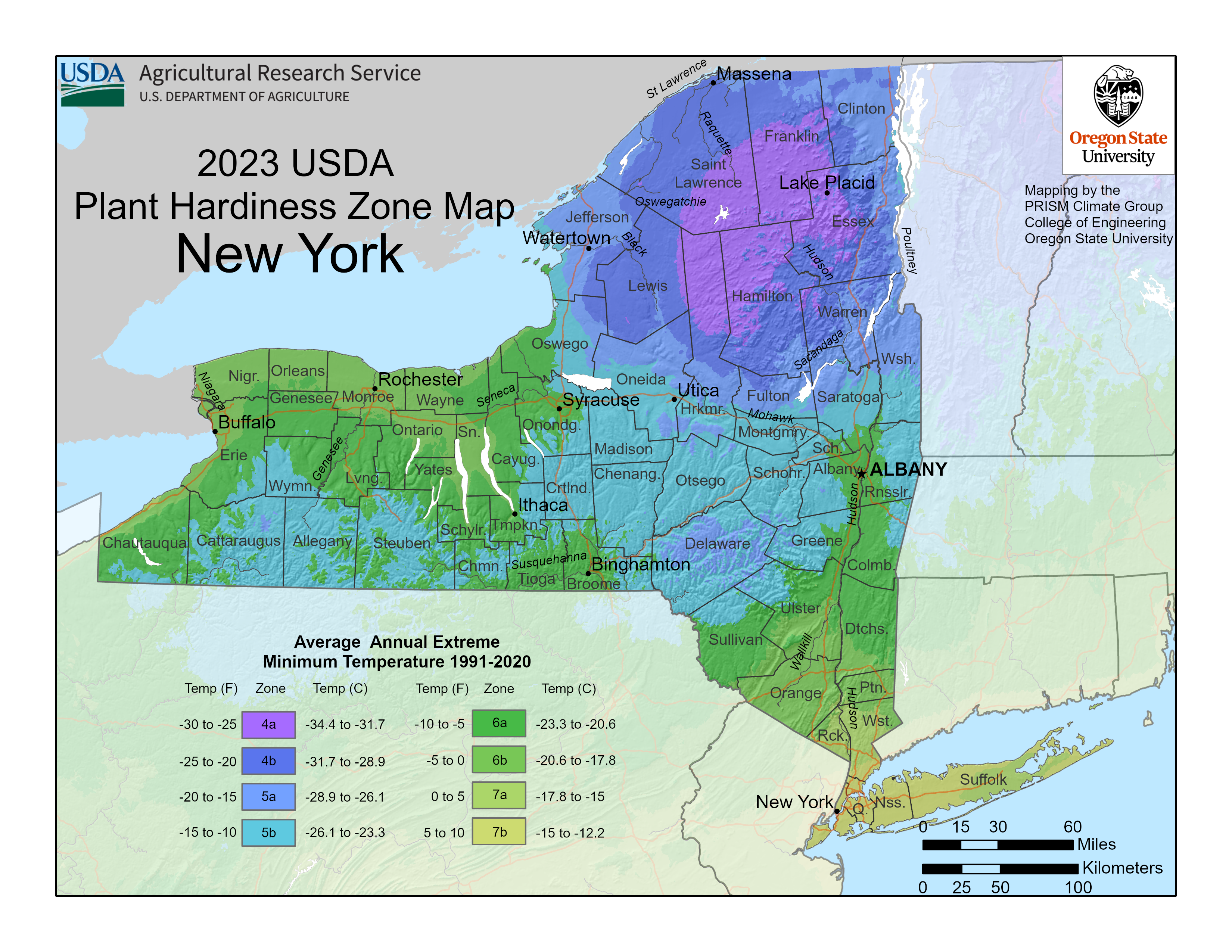
I have had an adult male Russian tortoise living continuously outside since the day we got him (July 2024, Craigslist). In terms of USDA hardiness zones, we're a 5b. He's thriving in a 12' X 16' outdoor enclosure, equipped with a cold frame (mini-greenhouse).

What follows is my two cents, for whatever it's worth!

Long-time gardener, tortoise keeper only since this acquisition, our property is loaded with plants. It has cost exactly $0 to feed him, as the broad-leaved plants that such Testudo species thrive on are easy to grow here in the well-watered east (dandelions, plantains, sedums, mulberry, Opuntia, Rose of Sharon, etc.). Many tend to be termed "weeds" and are likely already in your yard (don't use if funky stuff is sprayed on your yard). Info available here + The Tortoise Table as a plant resource + thoughtful planning can = success, for sure.

My research brought me here and I soon came to appreciate the ability to search through old threads. There's a wealth of info available, including the threads posted above. The broad geographic diversity of the folks who have contributed over the years adds a lot of value. You're able to see the nuance in keeping tortoises in different areas, and find people who keep them as you'd like to in places similar to yours. For me, GBTortoise (Gary) lived near me and his posts provided a lot of food for thought. All that is still searchable.

I started thinking about this from the position of "what tortoises come from places most similar to mine?" I knew I wanted to keep a tortoise outside and wanted a temperate climate species. Russians and Eastern Hermann's fit the bill. A redfoot did not. I have had two successful brumations. Much is available here to educate yourself on that topic.

Having kept him outdoors, I couldn't imagine having him indoors at this point. Yes, as a male Russian tortoise he's small. But the guy MOVES. As Tom mentioned above, that movement is essential for their digestion. Space is key.

A big part of my enjoyment as a tortoise keeper is observing him interact with his environment. How he uses the microclimates, how he responds to the sun, how he responds at different times of the day and at different temperatures: I find it fascinating. Space, plants, rocks, natural sun--that enclosure design element I find interesting and gratifying. Tinkering with various lights, trying to create temperature diversity in a small indoor space...all that indoor stuff...some really enjoy it. I wouldn't. I'm a gardener with a tortoise who's kind of become the family's charismatic reptilian garden gnome. I think my point there is to know yourself, know your climate, be honest about your situation, and match that with the right tortoise.

Best of luck, and enjoy.
 
Joined
Jun 4, 2026
Messages
32
Location (City and/or State)
Upstate New York
Greetings.

I also live in Upstate NY. As you know there's a lot of NY beyond NYC!

I have had an adult male Russian tortoise living continuously outside since the day we got him (July 2024, Craigslist). In terms of USDA hardiness zones, we're a 5b. He's thriving in a 12' X 16' outdoor enclosure, equipped with a cold frame (mini-greenhouse).

What follows is my two cents, for whatever it's worth!

Long-time gardener, tortoise keeper only since this acquisition, our property is loaded with plants. It has cost exactly $0 to feed him, as the broad-leaved plants that such Testudo species thrive on are easy to grow here in the well-watered east (dandelions, plantains, sedums, mulberry, Opuntia, Rose of Sharon, etc.). Many tend to be termed "weeds" and are likely already in your yard (don't use if funky stuff is sprayed on your yard). Info available here + The Tortoise Table as a plant resource + thoughtful planning can = success, for sure.

My research brought me here and I soon came to appreciate the ability to search through old threads. There's a wealth of info available, including the threads posted above. The broad geographic diversity of the folks who have contributed over the years adds a lot of value. You're able to see the nuance in keeping tortoises in different areas, and find people who keep them as you'd like to in places similar to yours. For me, GBTortoise (Gary) lived near me and his posts provided a lot of food for thought. All that is still searchable.

I started thinking about this from the position of "what tortoises come from places most similar to mine?" I knew I wanted to keep a tortoise outside and wanted a temperate climate species. Russians and Eastern Hermann's fit the bill. A redfoot did not. I have had two successful brumations. Much is available here to educate yourself on that topic.

Having kept him outdoors, I couldn't imagine having him indoors at this point. Yes, as a male Russian tortoise he's small. But the guy MOVES. As Tom mentioned above, that movement is essential for their digestion. Space is key.

A big part of my enjoyment as a tortoise keeper is observing him interact with his environment. How he uses the microclimates, how he responds to the sun, how he responds at different times of the day and at different temperatures: I find it fascinating. Space, plants, rocks, natural sun--that enclosure design element I find interesting and gratifying. Tinkering with various lights, trying to create temperature diversity in a small indoor space...all that indoor stuff...some really enjoy it. I wouldn't. I'm a gardener with a tortoise who's kind of become the family's charismatic reptilian garden gnome. I think my point there is to know yourself, know your climate, be honest about your situation, and match that with the right tortoise.

Best of luck, and enjoy.
Hello fellow New Yorker!

Thank you so much for your reply, this could be a real game changer for us :)

I'm a gardener too, and that's how I know that I'm in zone 6b, which should be even a touch warmer than your area. You're keeping your Russian without issue? Do you have a thread about your setup, or pics posted? I'd love to get a better idea what you're doing. Our backyard is fenced all around for our dogs, and in that area we use no pesticides, fertilizers, or weed controllers. Our backyard is daffodil and clover paradise lol!

I have a smaller, fenced in veggie garden area, so I'm confident I can keep the dogs away from the tortoise, before anyone raises concern :)

This may be a perfect setup for us if I can find a species that's suitable for our climate. I could provide a lot of room outside, and I could plant for them whatever would be best for them to munch on. This really may be ideal for us, would you let me know how I can learn more, for example, what specie(s) would thrive in my climate, and what I have to do to create a healthy and safe, year-round outdoor pen? Given that I have much more space outside, now I think I'd like the largest species that I would keep outside all year, safely and ethically, in USDA zone 6b.

Thank you so much for your help!
 
Joined
Jun 4, 2026
Messages
32
Location (City and/or State)
Upstate New York
Greetings.

I also live in Upstate NY. As you know there's a lot of NY beyond NYC!

I have had an adult male Russian tortoise living continuously outside since the day we got him (July 2024, Craigslist). In terms of USDA hardiness zones, we're a 5b. He's thriving in a 12' X 16' outdoor enclosure, equipped with a cold frame (mini-greenhouse).

What follows is my two cents, for whatever it's worth!

Long-time gardener, tortoise keeper only since this acquisition, our property is loaded with plants. It has cost exactly $0 to feed him, as the broad-leaved plants that such Testudo species thrive on are easy to grow here in the well-watered east (dandelions, plantains, sedums, mulberry, Opuntia, Rose of Sharon, etc.). Many tend to be termed "weeds" and are likely already in your yard (don't use if funky stuff is sprayed on your yard). Info available here + The Tortoise Table as a plant resource + thoughtful planning can = success, for sure.

My research brought me here and I soon came to appreciate the ability to search through old threads. There's a wealth of info available, including the threads posted above. The broad geographic diversity of the folks who have contributed over the years adds a lot of value. You're able to see the nuance in keeping tortoises in different areas, and find people who keep them as you'd like to in places similar to yours. For me, GBTortoise (Gary) lived near me and his posts provided a lot of food for thought. All that is still searchable.

I started thinking about this from the position of "what tortoises come from places most similar to mine?" I knew I wanted to keep a tortoise outside and wanted a temperate climate species. Russians and Eastern Hermann's fit the bill. A redfoot did not. I have had two successful brumations. Much is available here to educate yourself on that topic.

Having kept him outdoors, I couldn't imagine having him indoors at this point. Yes, as a male Russian tortoise he's small. But the guy MOVES. As Tom mentioned above, that movement is essential for their digestion. Space is key.

A big part of my enjoyment as a tortoise keeper is observing him interact with his environment. How he uses the microclimates, how he responds to the sun, how he responds at different times of the day and at different temperatures: I find it fascinating. Space, plants, rocks, natural sun--that enclosure design element I find interesting and gratifying. Tinkering with various lights, trying to create temperature diversity in a small indoor space...all that indoor stuff...some really enjoy it. I wouldn't. I'm a gardener with a tortoise who's kind of become the family's charismatic reptilian garden gnome. I think my point there is to know yourself, know your climate, be honest about your situation, and match that with the right tortoise.

Best of luck, and enjoy.
Again, I'm really interested in any species that can be kept outside all year in my climate, and I've been reading about it. Unfortunately, I can't find the user 'GBTortoise' you mentioned, but I'm new here, so perhaps not searching correctly.

Just because of it's size, I like the idea of a Marginated (Testudo marginata), but I'm not seeing where they are cold hardy where I live. In fact, I'm not really seeing where even a Russian can tolerate the cold that we see over the winter. I'd really like to know more about your setup, and how you're keeping your guy year round in zone 5b :)

Thanks again for your help!
 
Joined
Jun 4, 2026
Messages
32
Location (City and/or State)
Upstate New York
New friends, keeping a tortoise 80%-100% outside in my cilmate is sparking some new questions for me, and I don't mean to get ahead of myself here, but a few questions please:
  • What would be the minimum outdoor enclosure area square footage needed for a single Marginated, even if I brought him/her inside to brumate indoor in a small, purpose built fridge?
  • Same question, but insert Russians and any other temperate species here :)
  • Is there any setup that can safely house more than one? I've read that it's best to house them singularly, and that's absolutely fine. But, I'm reading about people keeping groups, which I think my wife would enjoy. How does this work, or is this not recommended?
Thanks again everyone!
 

mark1

Well-Known Member
10 Year Member!
Joined
Dec 31, 2015
Messages
2,397
Location (City and/or State)
ohio
NY300_HS.png
 

P Birch

Active Member
Joined
Aug 2, 2025
Messages
40
Location (City and/or State)
Upstate New York
1. New York requires permits for native turtle species, which would offer a hoop to jump through for eastern box turtles, which are native to the southeastern part of the state. Just something to be aware of. Perhaps a 3-toed box turtle would be something to consider?

2. A search for "outdoor enclosure" would set you up with some serious reading! And the enclosure pictures in the threads above provide a wealth of ideas. I enjoyed this thread and its photos from an experienced keeper in Arkansas:

3. I posted some photos of my enclosure in Year 1 and received welcome feedback and constructive criticism. If you searched the few threads I have there's some photos, conversation, and thoughtful recalibrations folks offered to tweak things.

4. Marginated-wise, the Leone's have a care sheet that's worth a look:

5. My Russian is certainly thriving outdoors. Read up on brumation. In our climate it would be the wet that would doom things, if you took a hands-off approach and allowed the tortoise to freely choose a spot in the enclosure to dig down into. Do not do that. You need to take an active hand in brumation and ensure the proper conditions are met. Great info on that on this site.

6. Enjoy the research!
 

Maggie3fan

Well-Known Member
5 Year Member
Joined
Jun 30, 2018
Messages
9,067
Location (City and/or State)
PacificNorthWest
I have kept tortoisees and box turtle for years...I kept box turtles in the house in 6'x4' wooden tort tables, with an outside enclosure. So daily I would put them outside and bring them in at night. If I were you, I'd keep a couple of box turtles...they are personable, fun and not nearly the trouble to keep as are tortoises...my advice is to get a box turtle. You wouldn't need the government to know as long as they are not Easterns...I think. I had several different species of box turtles and they were very fun for me to keep. You can get a baby100_5154.JPG
oh so cute, look at that face100_5156.JPG
these are an ornate, a 3 toed and an Eastern (I kept Eastern's in Oregon)100_5169.JPG
My vote goes to a box turtle...they are much easier and fun to care for than tortoises...:)
 
Top